DOT Inspection Failures and Why Maryland Trucks Rank So High
For commercial fleet operators, a failed dot inspection is more than a minor inconvenience. It can lead to roadside violations, out-of-service orders, delays, and costly repairs that disrupt schedules.
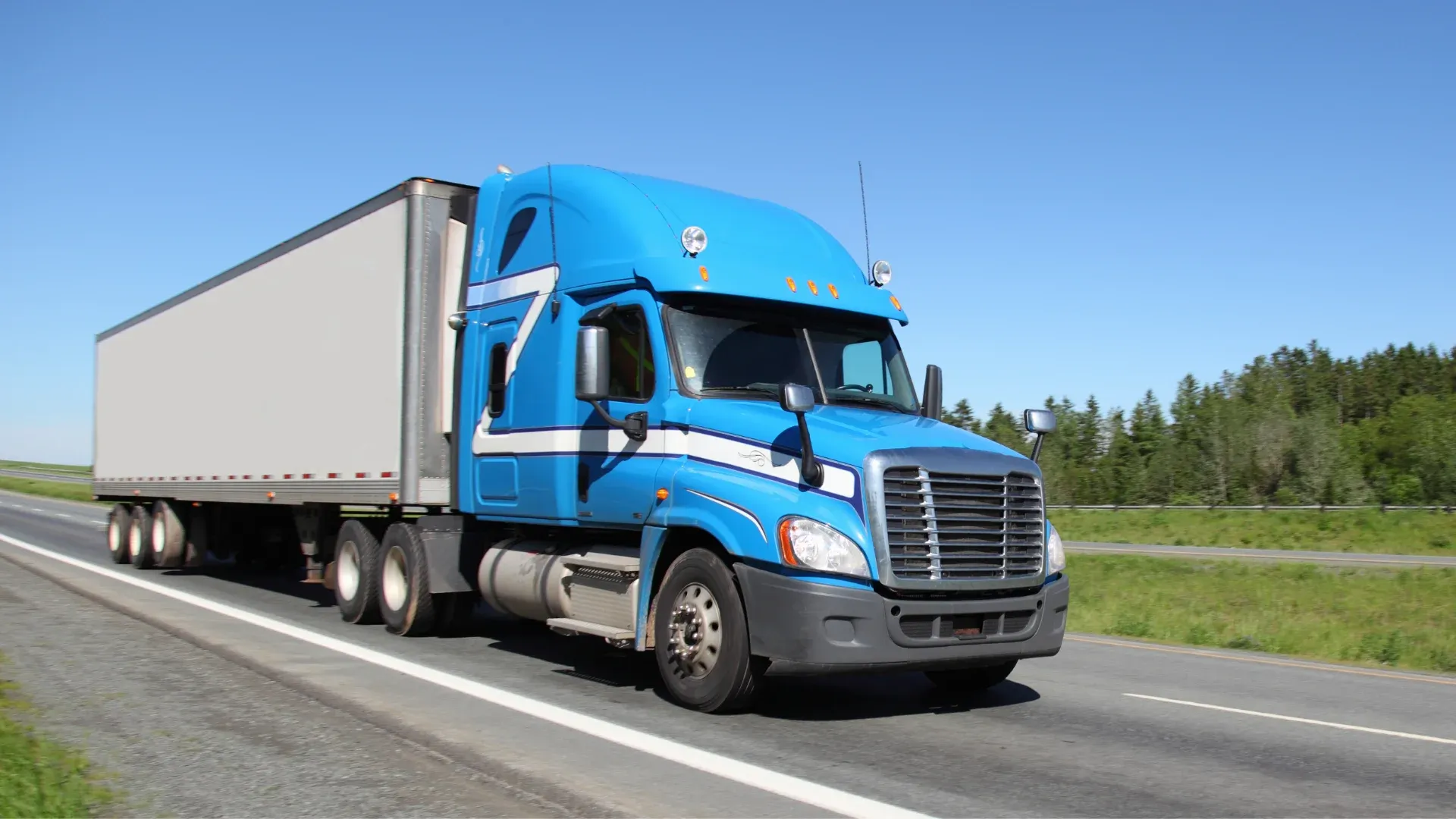
Maryland trucks often rank high in inspection violation statistics compared to other states. That does not necessarily mean the equipment is worse. The conditions trucks operate in play a major role. Heavy freight traffic, congested urban routes, and winter road damage all contribute to faster wear on commercial vehicles.
At KG Truck & Auto, we work with fleet operators and owner-operators preparing trucks for inspections every day. Many of the issues inspectors find could have been addressed earlier with routine service and inspections.
Understanding why trucks fail a dot inspection helps you avoid violations and keep your fleet operating without interruptions.
Why DOT Inspections Matter for Commercial Trucks
A dot inspection is designed to confirm that commercial vehicles meet federal safety standards. Inspectors review multiple vehicle systems to determine whether a truck is safe to operate.
Inspections can take place during roadside stops, weigh station checks, or organized enforcement efforts. Officers evaluate brakes, tires, lights, steering, suspension, and other safety components.
If a violation is serious enough, the truck can be placed out of service until repairs are made. For fleets operating on tight schedules, even a short delay can create missed deliveries and lost revenue.
That is why preparing for a dot inspection before it happens is important for both safety and operations.
Why Maryland Trucks See High Inspection Failure Rates
Several regional factors contribute to higher inspection violation numbers in Maryland.
Heavy Freight Traffic
Maryland sits along one of the busiest freight corridors on the East Coast. Trucks traveling between the Northeast and Southeast pass through the state every day.
With so many commercial vehicles on the road, law enforcement conducts a high number of inspections. Increased inspection activity naturally results in more recorded violations.
Congested Urban Routes
Baltimore, Annapolis, and surrounding areas involve constant traffic and frequent stops. These conditions place additional strain on braking systems, suspension components, and tires.
Compared to long-distance highway routes, trucks running urban delivery schedules experience faster wear.
Winter Road Conditions
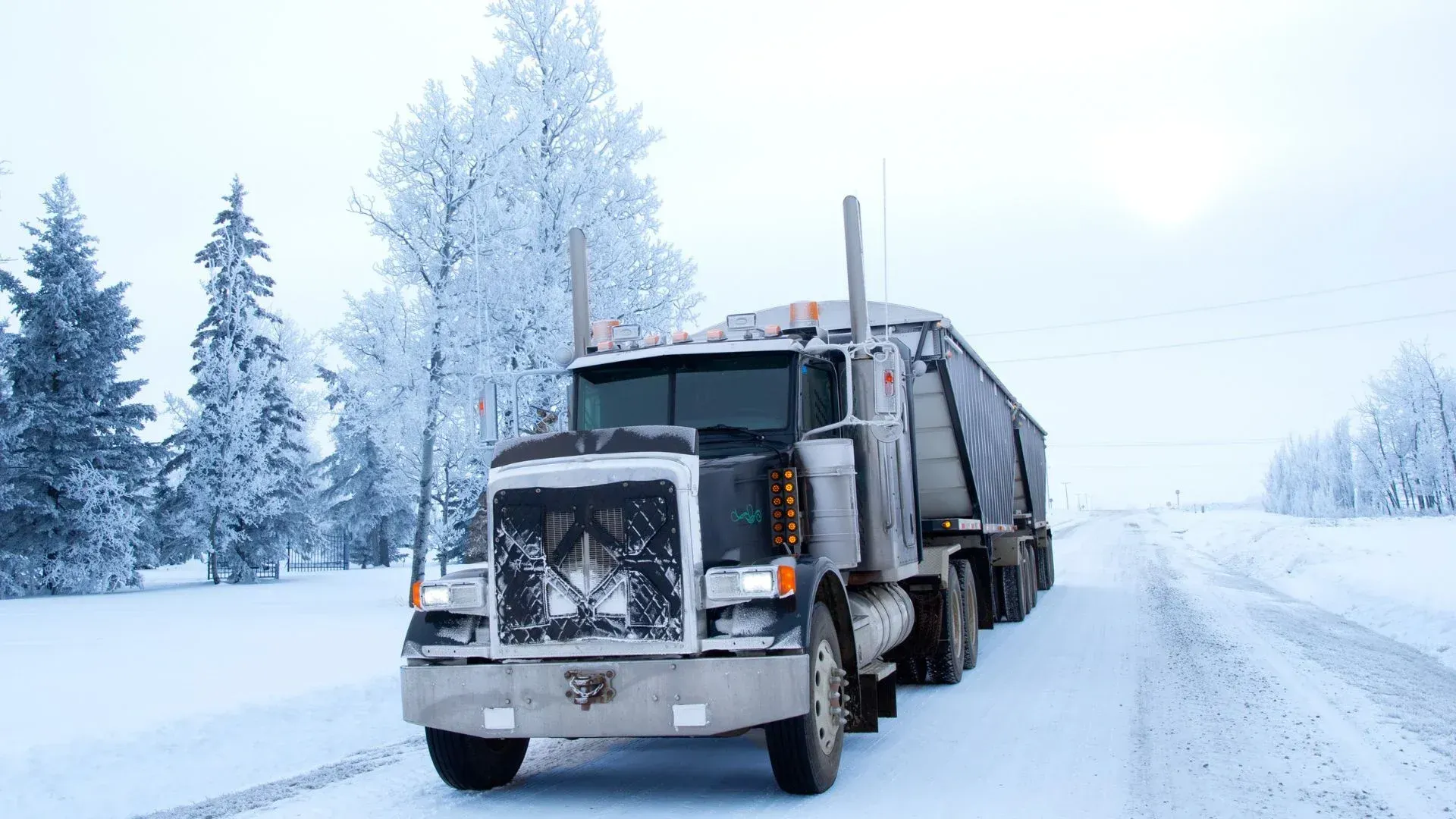
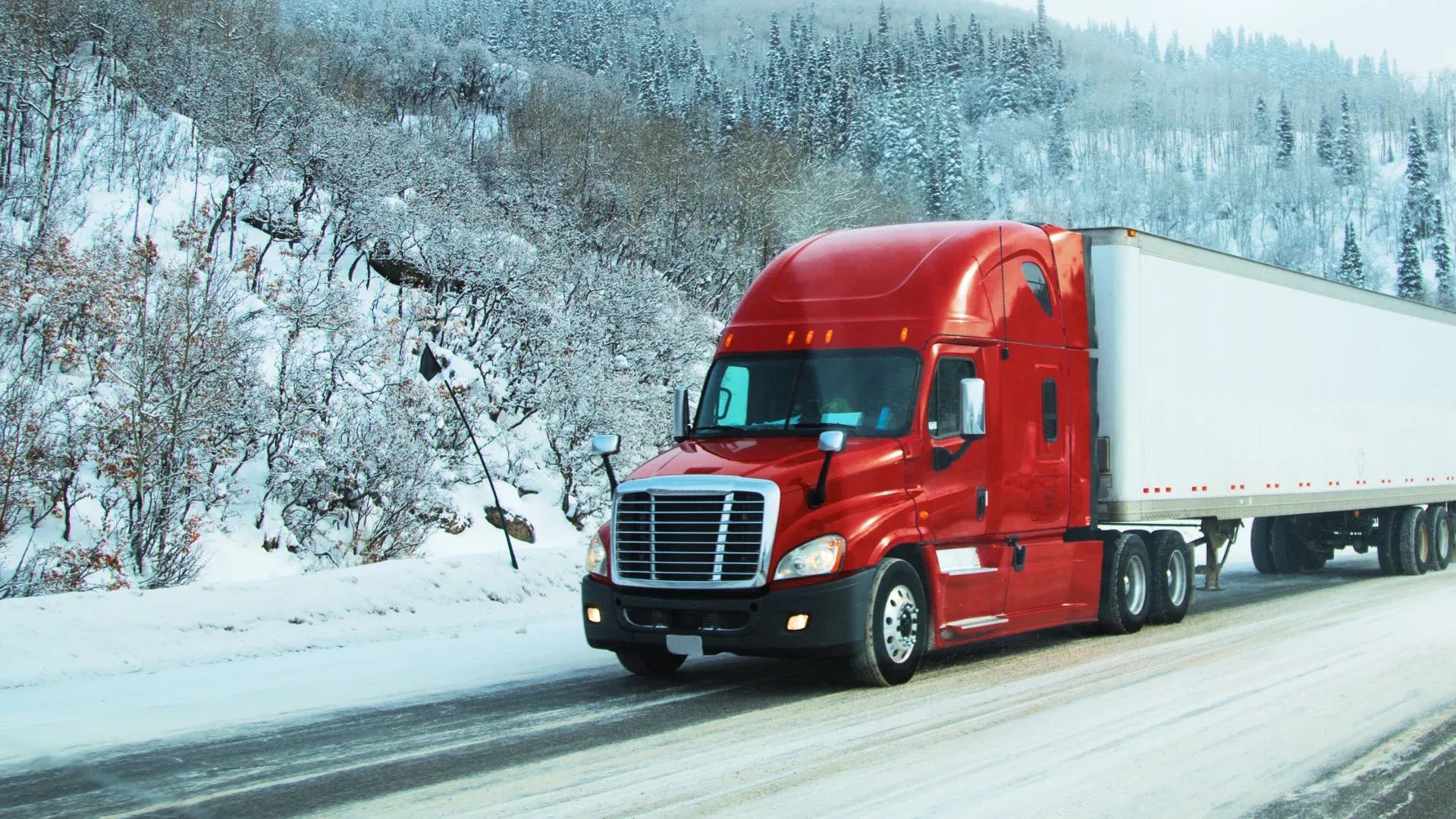
Winter conditions also contribute to inspection failures. Snow, ice, potholes, and road salt affect truck components throughout the season.
By early spring, inspectors often begin seeing the wear caused by months of winter driving. Brake systems, suspension parts, and tires commonly show the effects.
Aging Equipment
Many fleets operate high-mileage trucks. While that is common across the trucking industry, older vehicles require more frequent maintenance to pass a dot inspection without violations.
Without regular service, minor issues build up until they appear during inspections.
The Most Common DOT Inspection Failures
Although inspectors evaluate many vehicle components, a few problem areas appear consistently during a dot inspection.
Brake System Violations
Brake problems remain the leading cause of inspection failures.
Inspectors may find worn pads, air leaks, damaged drums, or brakes that are out of adjustment. Because braking performance is critical for safety, even moderate issues can lead to an out-of-service order.
Stop-and-go driving and winter road conditions accelerate brake wear, especially for trucks operating in urban Maryland routes.
Tire and Wheel Problems
Tire issues are another common reason trucks fail a dot inspection.
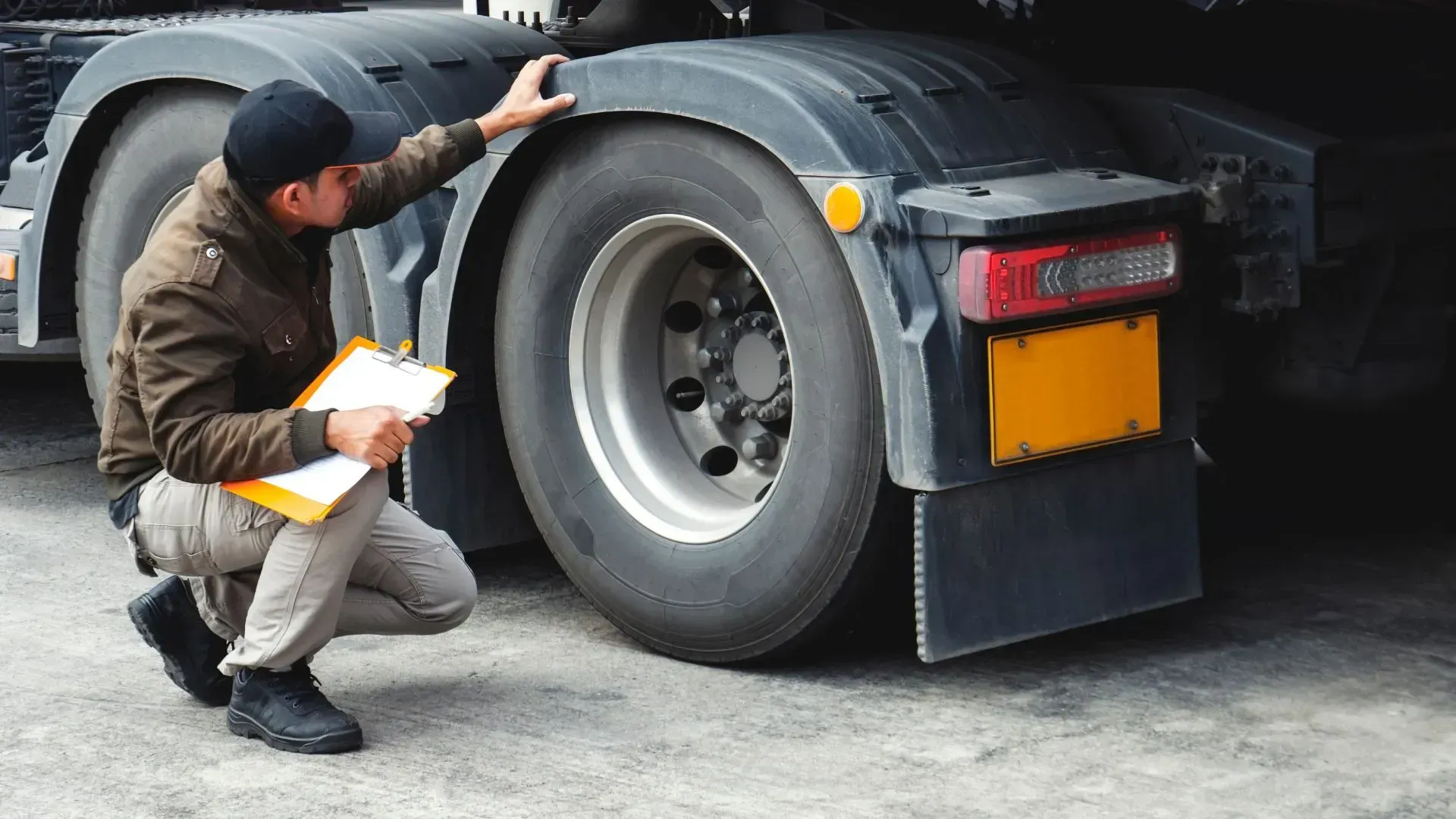
Inspectors often find low tread depth, uneven wear, sidewall damage, or improper tire pressure. Potholes and road debris also cause tire damage that drivers may not immediately notice.
Because tires directly affect traction and braking, these violations are taken seriously during inspections.
Lighting and Electrical Issues
Lighting violations appear frequently during inspections.
Broken marker lights, burned-out bulbs, and damaged wiring are common findings. Moisture and road salt during winter months often contribute to electrical corrosion.
While these may seem minor, lighting violations still count against the vehicle during a dot inspection.
Suspension and Steering Problems
Inspectors also check suspension and steering components closely.
Worn bushings, damaged springs, loose steering parts, or leaking shocks can all trigger violations. Rough winter roads accelerate wear on these systems.
Suspension damage affects vehicle control, making it an important part of every dot inspection.
Frame and Structural Concerns
Structural issues may also appear during inspections. Road salt used during Maryland winters can accelerate rust underneath trucks.
Inspectors sometimes find corrosion around crossmembers, mounting points, or frame components.
How Winter Driving Contributes to Inspection Failures
Many of the problems discovered during a dot inspection in early spring develop during the winter months.
Cold temperatures place stress on rubber hoses, seals, and electrical connections. Freeze-thaw cycles damage road surfaces, creating potholes that affect suspension parts. Salt and moisture accelerate corrosion underneath trucks.
When fleets wait until problems become visible, repairs often take longer and cost more.
Routine inspections after winter driving help catch these issues earlier.
Preventing DOT Inspection Violations
Consistent maintenance is the most reliable way to reduce dot inspection failures.
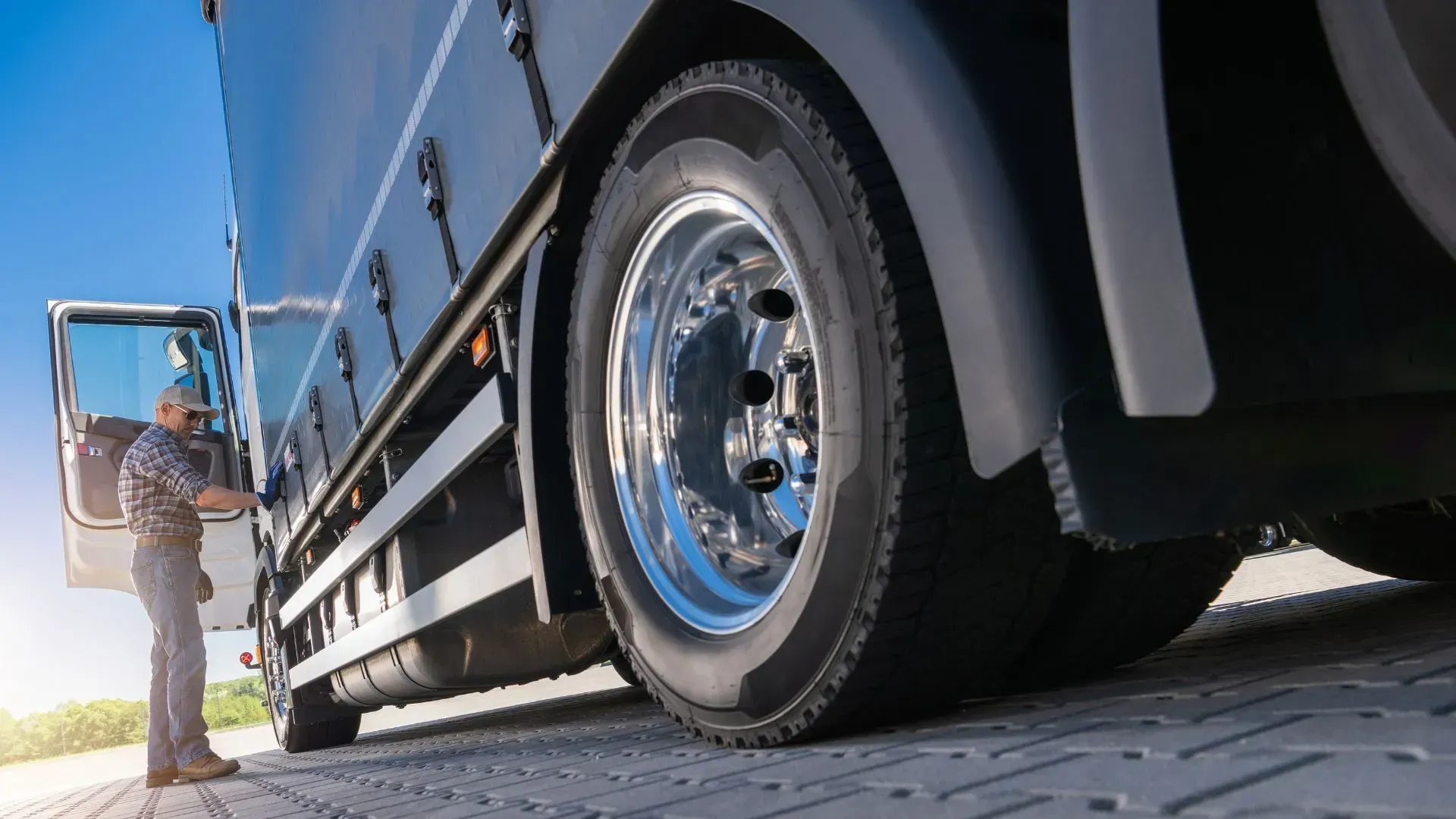
Drivers can perform basic pre-trip checks before each route. Looking for obvious issues like damaged tires, leaking fluids, or broken lights can prevent violations.
Fleet managers typically rely on professional service shops to identify problems that may not be visible during daily inspections.
At KG Truck & Auto, we regularly help fleets address small issues before they become inspection failures.
How KG Truck & Auto Helps Trucks Prepare for DOT Inspections
KG Truck & Auto works with commercial trucks and fleets throughout Glen Burnie, Baltimore, Annapolis, and surrounding Maryland areas.
When trucks come in for inspection preparation, our technicians focus on the systems inspectors examine most closely.
These areas include brake performance, tire condition, suspension components, steering systems, and vehicle lighting.
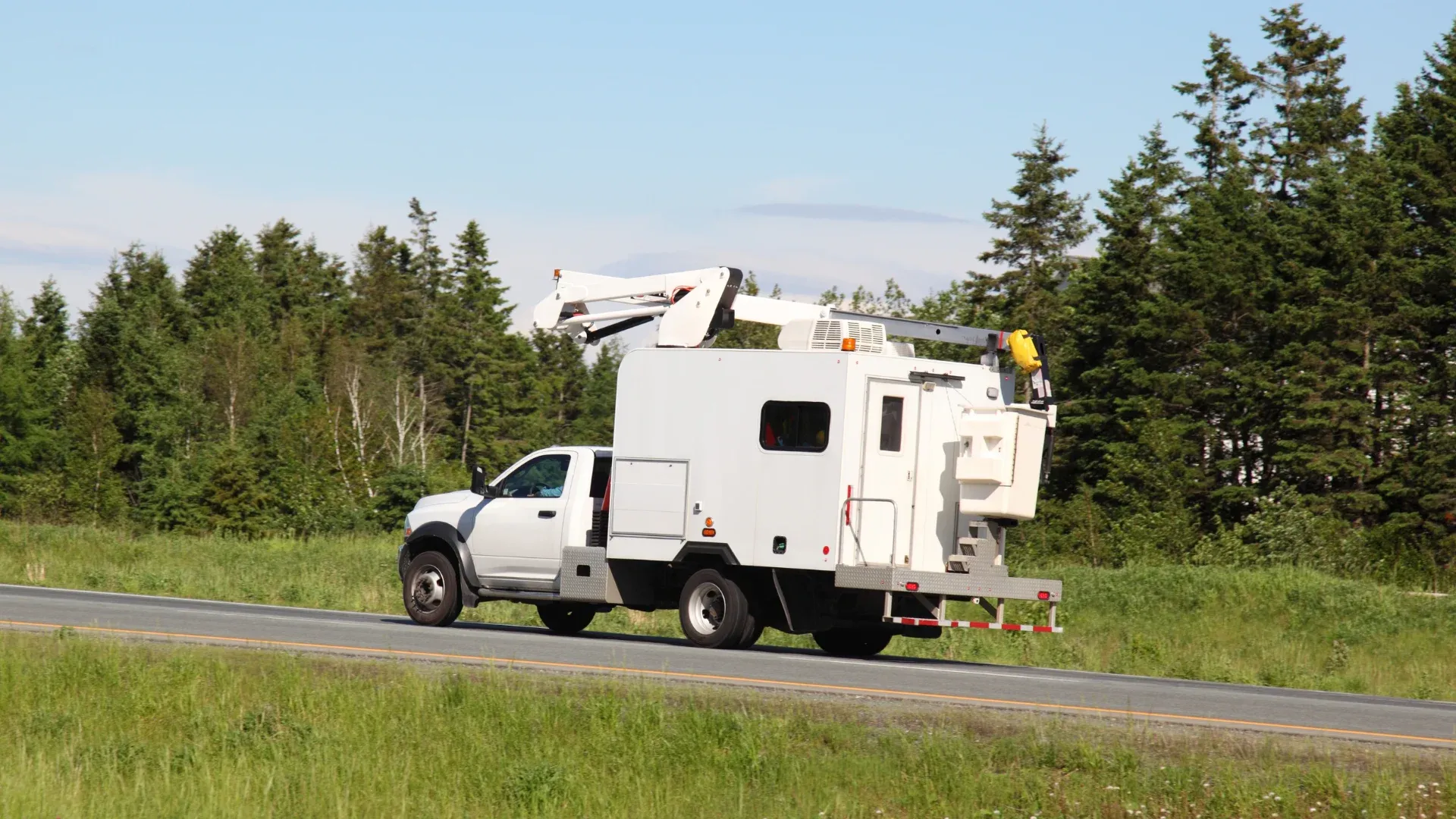
We also provide diagnostics, truck repair, and Maryland state inspections for a wide range of commercial vehicles, including diesel trucks, service vans, and fleet vehicles.
Preparing trucks ahead of time reduces the risk of roadside violations and helps fleets stay on schedule.
Why Preventive Maintenance Matters for Fleets
The trucking industry operates on tight schedules. A truck placed out of service during a dot inspection can disrupt deliveries and force fleets to rearrange routes.
Preventive maintenance allows fleets to identify problems early and repair them during scheduled downtime rather than during an inspection stop.
Regular service also gives drivers confidence that their trucks are safe and ready for the road.
Do Not Wait for an Inspection to Find Problems
Waiting for a roadside dot inspection to reveal a problem is rarely the best approach.
Brake wear, tire damage, lighting failures, and suspension problems can all be caught earlier during routine service. Addressing them sooner helps avoid violations and unexpected downtime.
If your trucks have been operating through winter conditions or showing signs of wear, now is a good time to have them inspected. Schedule service with KG Truck & Auto and keep your fleet ready for the next dot inspection.
DOT Inspection Questions for Fleet Operators
What is a DOT inspection for commercial trucks?
A dot inspection is a safety inspection performed by law enforcement officers to verify that a commercial vehicle meets federal safety standards.
What are the most common reasons trucks fail a DOT inspection?
Brake violations, tire problems, lighting issues, suspension damage, and steering component wear are among the most frequent causes.
How often should trucks be inspected to prepare for a DOT inspection?
Fleet trucks should be inspected regularly as part of routine maintenance. Many fleets schedule inspections monthly or quarterly depending on usage and mileage.
Can a truck be taken off the road during a DOT inspection?
Yes. If inspectors find serious safety violations, the vehicle can be placed out of service until repairs are completed.
Does KG Truck & Auto help trucks prepare for DOT inspections in Maryland?
Yes. KG Truck & Auto works with commercial fleets and owner-operators throughout Maryland to address repair issues that could lead to inspection violations.
Contact Us
Contact Us