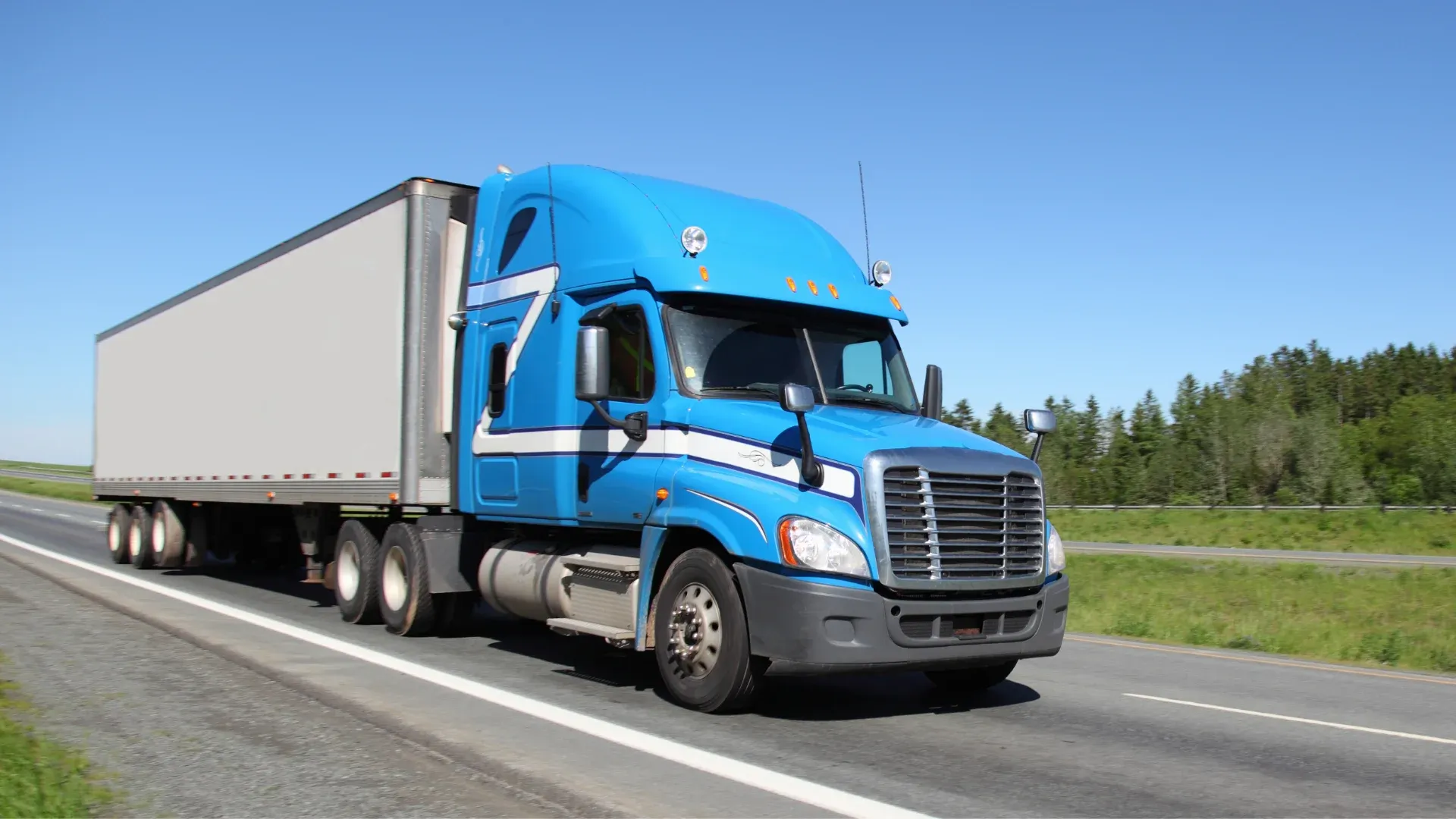
Heavy Duty Truck Repair: Common Winter Failures Fleet Owners See
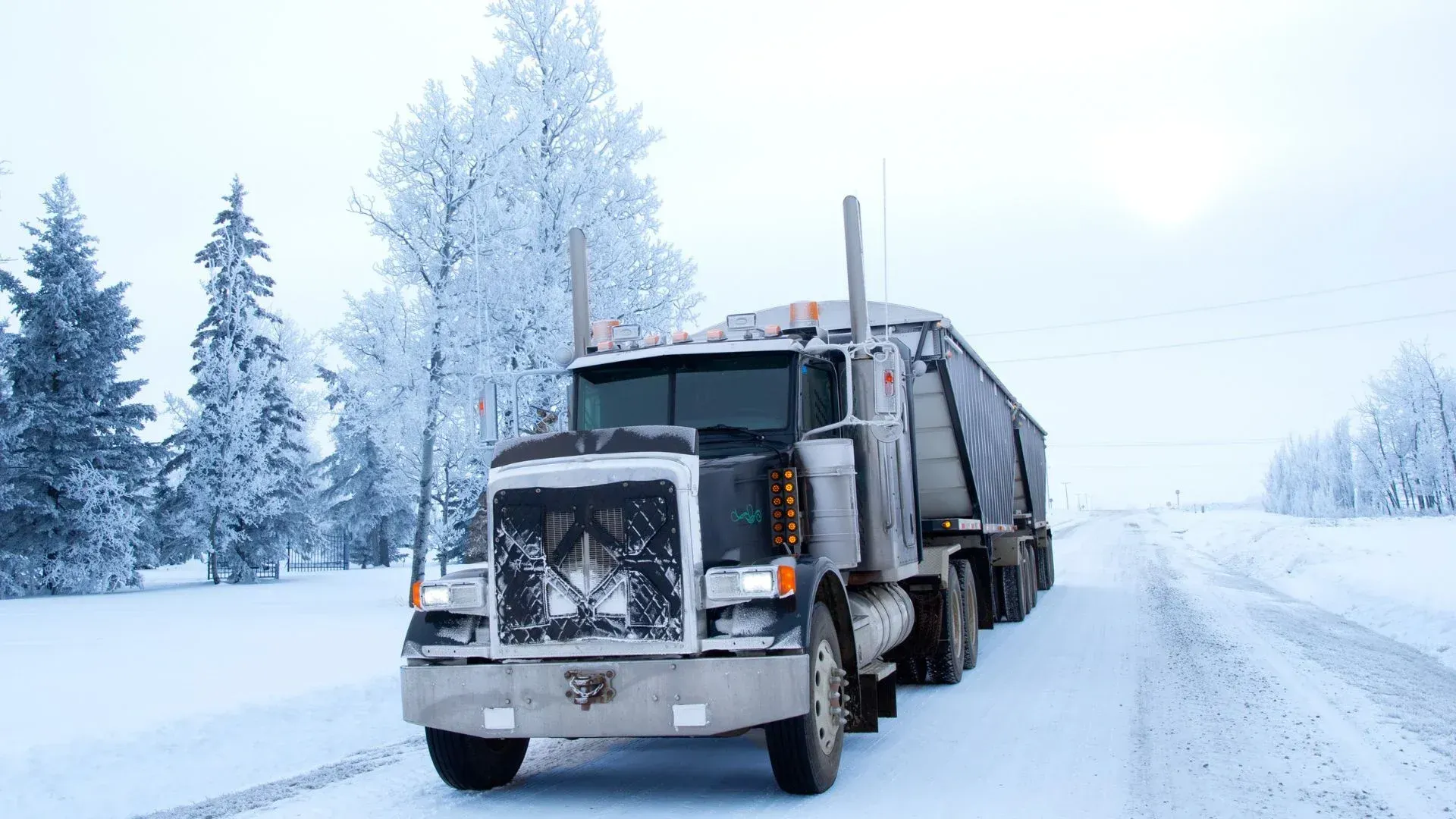
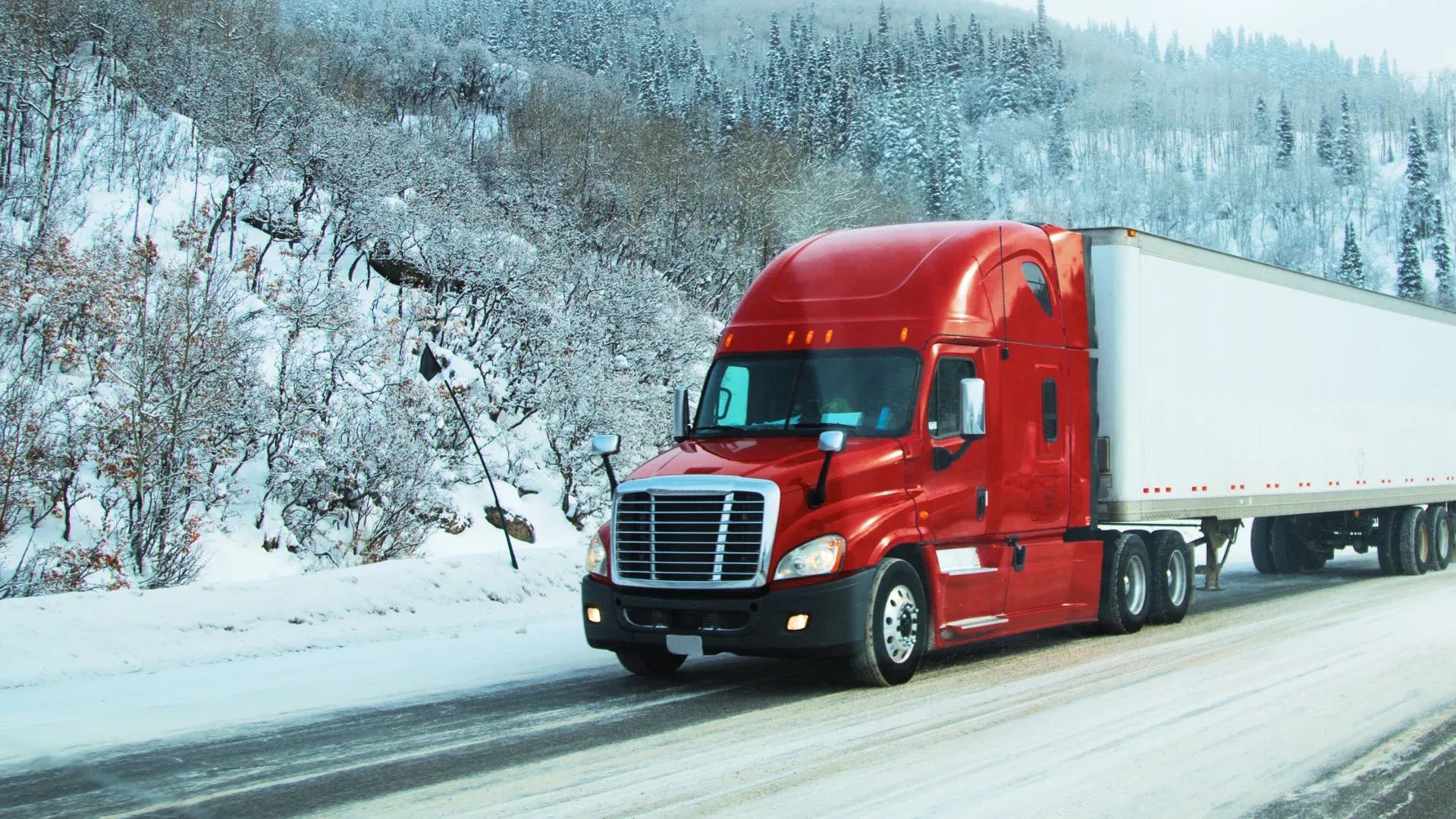
January is when winter stops being theoretical for fleet owners in Maryland. Cold mornings, road salt, snow, ice, and constant stop-and-go traffic expose weak points in heavy-duty trucks fast. What might have been a minor issue in October often becomes a breakdown in January.
At KG Truck & Auto, we see the same winter-related problems every year. Fleet managers come in frustrated, drivers are behind schedule, and trucks are down when they’re needed most. This blog breaks down the most common winter failures that lead to heavy duty truck repair, why they happen, and what fleet owners can do to stay ahead of them.
If your trucks are working through Maryland winters, this is what you need to watch for.
Why Winter Is Hard on Heavy Duty Trucks
Heavy-duty trucks are built to work, but winter adds stress to every system. Cold thickens fluids, weakens batteries, and exposes worn parts. Road salt speeds up corrosion. Ice and potholes beat up suspension and tires. Long idle times during deliveries or traffic jams add even more strain.
Fleet trucks don’t get a break just because the weather is bad. That’s why winter is the busiest season for heavy duty truck repair.
Cold-Weather Failures We See Every January
Battery and Starting System Failures
Cold weather is brutal on batteries, especially in trucks that idle often or sit overnight between routes. A battery that barely made it through fall will usually fail once January hits.
We regularly see:
- Slow cranking or no start conditions
- Dead batteries after overnight parking
- Weak alternators that can’t keep up with demand
- Corroded battery cables and grounds
In fleet operations, one dead truck can throw off an entire route. Battery and charging system issues are one of the most common reasons trucks come in for heavy duty truck repair during winter.
Brake System Problems
Winter roads mean more braking, more moisture, and more corrosion. Brake components take a beating during cold months.
Common winter brake issues include:
- Frozen or sticking calipers
- Air brake moisture freezing in lines
- Worn pads and rotors exposed by wet conditions
- ABS faults triggered by corroded sensors or wiring
For fleets, brake problems are a safety issue and a liability. January is not the time to find out your brakes were already on borrowed time.
Cooling System Leaks and Failures
It sounds backwards, but cooling system failures spike in winter. Cold temperatures cause hoses to contract, seals to fail, and weak radiators to crack.
We often see:
- Coolant leaks from aging hoses
- Failed thermostats causing poor warm-up
- Water pump issues
- Low coolant levels leading to overheating under load
Heavy duty truck repair in winter often starts with a truck that “won’t warm up” or one that overheats once it’s working hard.
Fuel System and Cold-Weather Diesel Issues
Diesel trucks are especially sensitive to cold weather. Fuel thickens, water contamination becomes a problem, and small fuel system issues become big ones.
January fuel-related repairs often involve:
- Clogged fuel filters
- Gelled diesel fuel
- Water-in-fuel sensor alerts
- Hard starts or stalling under load
Fleet trucks that idle often or run short routes are more likely to experience these problems. Proper fuel system maintenance is a major part of winter heavy duty truck repair.
Suspension and Steering Wear
Potholes don’t wait for spring. Freeze-thaw cycles tear up Maryland roads, and heavy trucks feel every impact.
Winter suspension issues we see include:
- Worn ball joints and tie rods
- Broken leaf springs
- Blown shocks
- Alignment problems causing uneven tire wear
Suspension problems make trucks harder to control on icy roads and speed up tire damage. Many fleets don’t realize there’s an issue until a driver complains about pulling or vibration.
Tire Damage and Pressure Loss
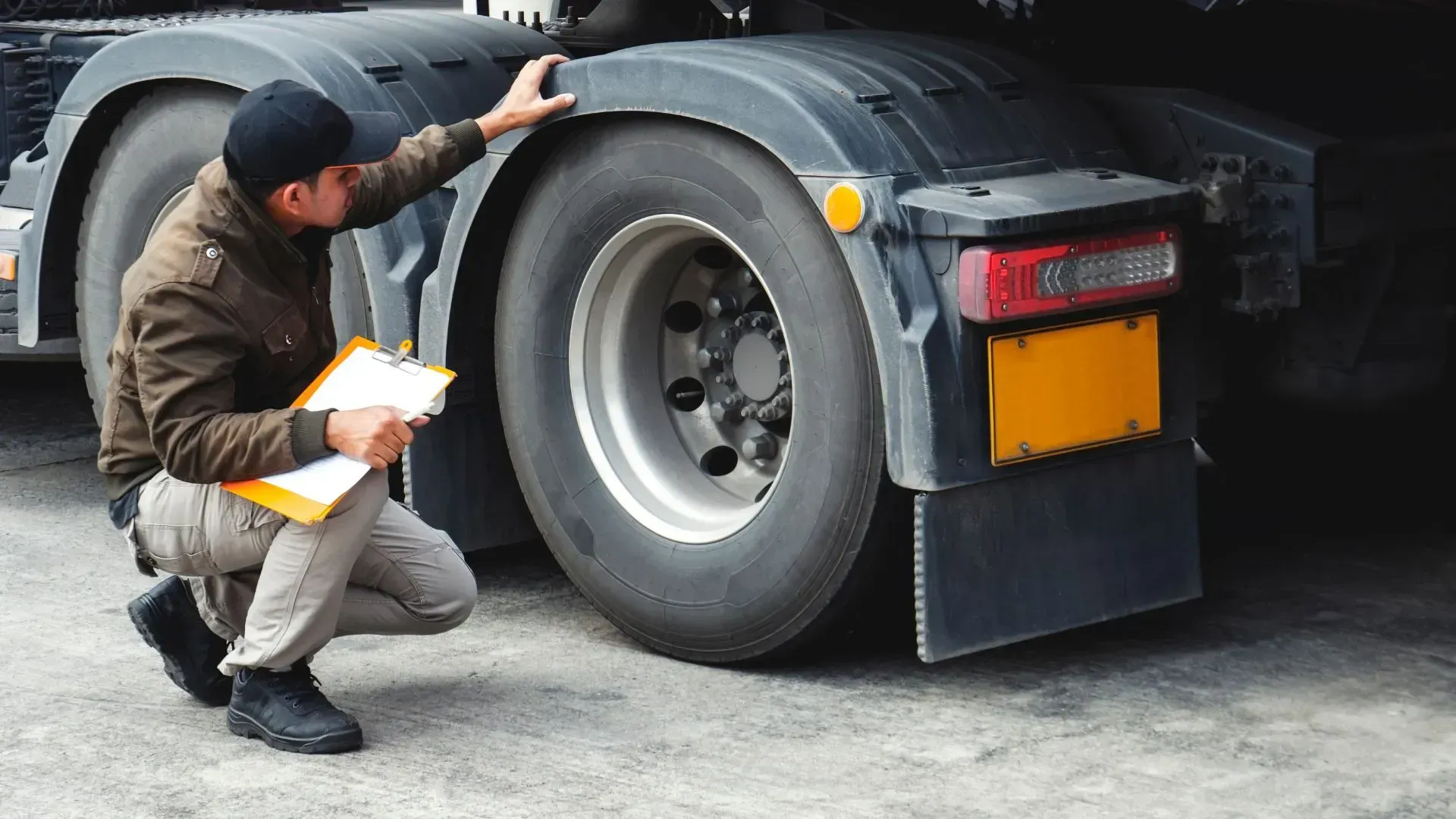
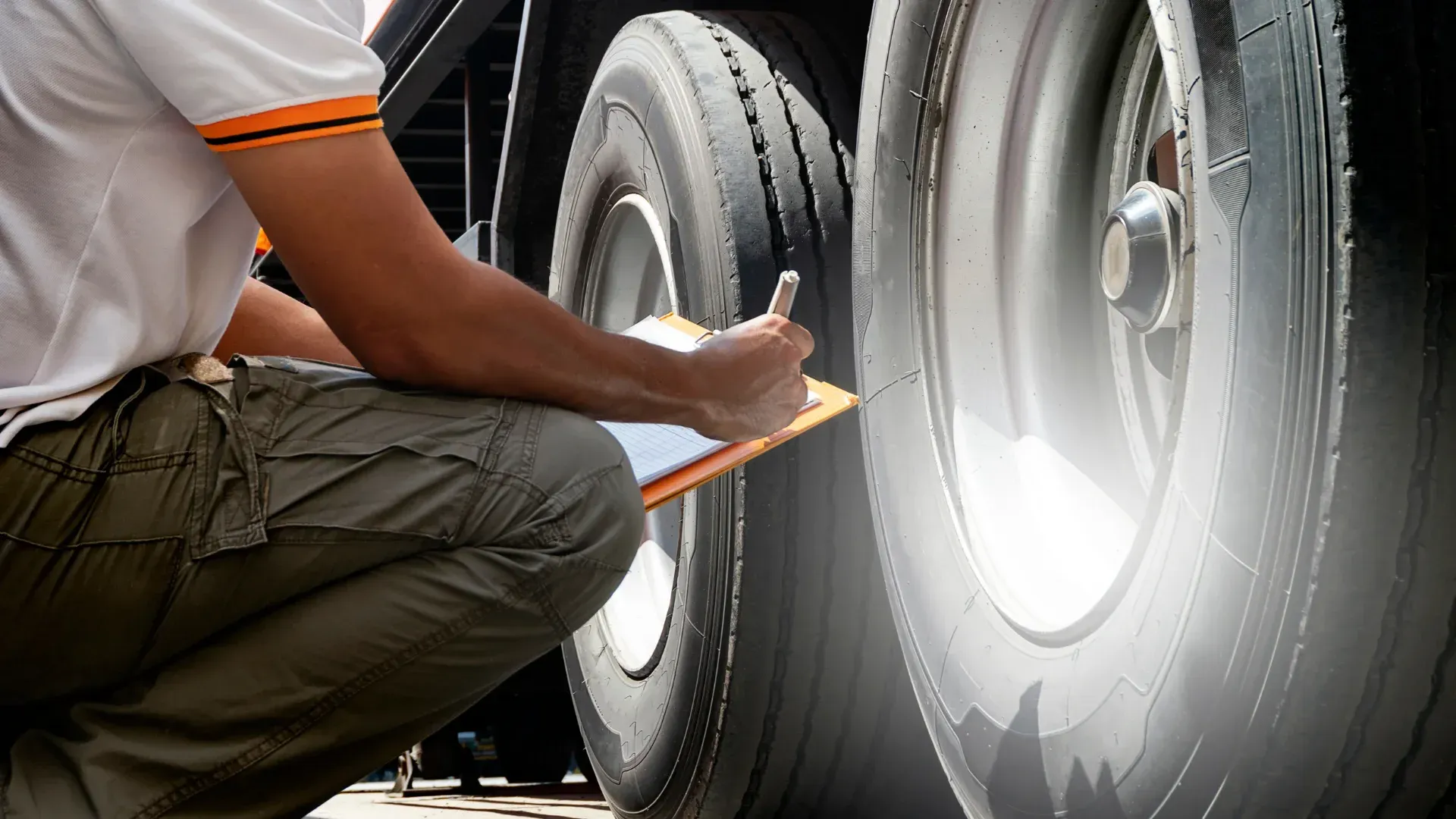
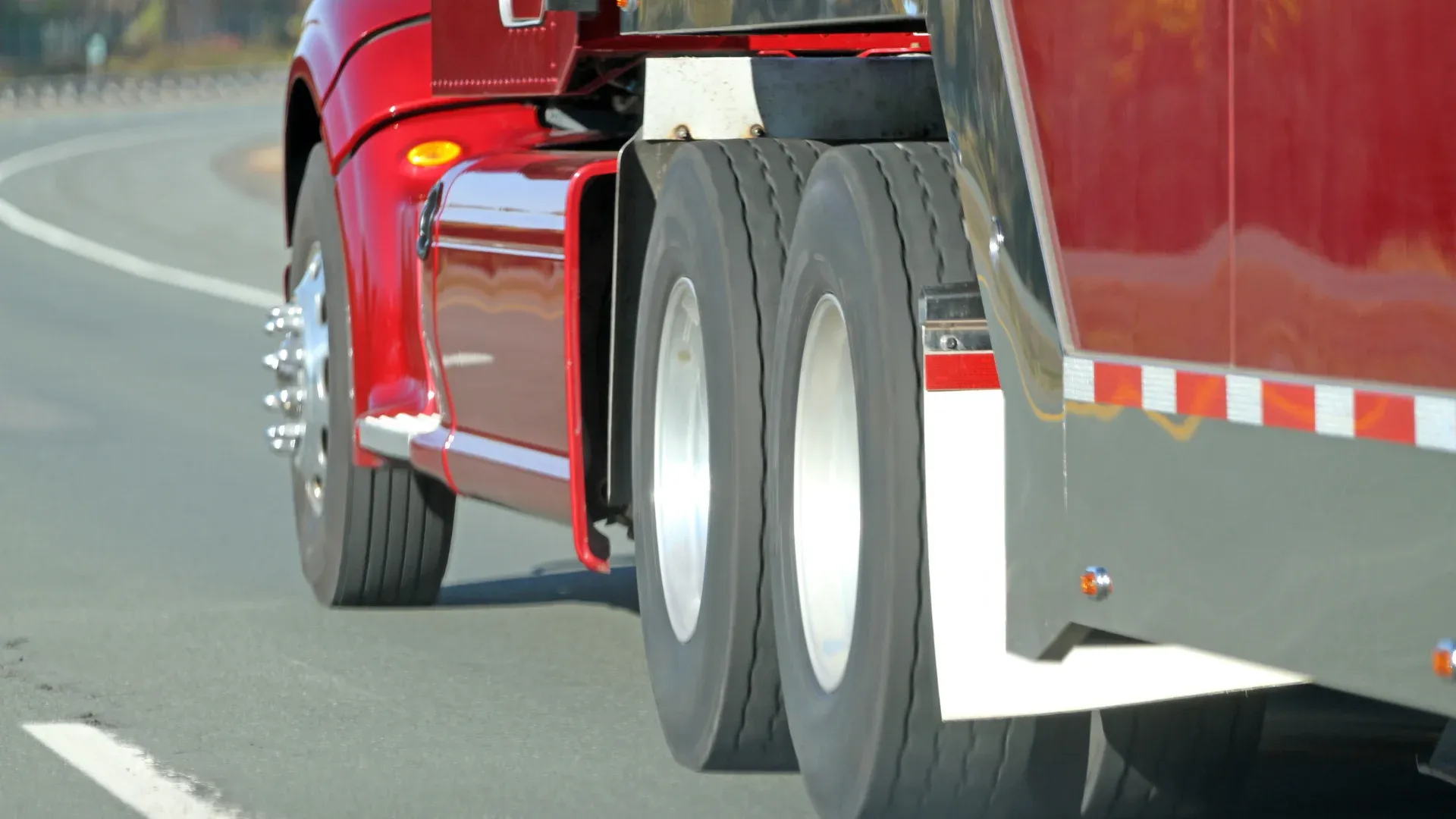
Cold weather lowers tire pressure. That’s a fact. Add road debris, salt, and potholes, and tire failures become common.
In January, we regularly perform heavy duty truck repair related to:
- Underinflated tires
- Sidewall damage
- Uneven tread wear
- Slow leaks that worsen overnight
Tires affect braking, traction, fuel costs, and safety. Ignoring tire maintenance in winter almost always leads to downtime.
Electrical and Lighting Problems
Winter means longer nights, wet conditions, and more electrical demand. That combination exposes weak wiring and failing components.
We often see:
- Lighting failures
- Corroded connectors
- Sensor wiring damage
- Fault codes caused by moisture intrusion
Electrical issues are frustrating because they can seem random. Proper diagnostics are key during winter heavy duty truck repair.
Why Fleets Get Hit Harder Than Single Trucks
Fleet vehicles don’t get driven gently. They idle more, stop more, carry heavier loads, and operate on tight schedules. That makes winter wear show up faster.
When one truck goes down, the ripple effect matters:
- Missed deliveries
- Overworked backup vehicles
- Driver frustration
- Lost revenue
That’s why fleet-focused heavy duty truck repair isn’t just about fixing problems. It’s about preventing them before January weather makes everything worse.
How KG Truck & Auto Handles Winter Heavy Duty Truck Repair
At KG Truck & Auto, we work on heavy-duty trucks and fleets year-round, but winter is when experience matters most. We don’t just fix what’s broken. We look at why it failed and what’s likely next.
Our winter repair approach includes:
- Full system inspections when trucks come in
- Diagnostics that go beyond clearing codes
- Honest conversations about what can wait and what can’t
- Fleet scheduling to reduce downtime
We service:
- Heavy-duty diesel trucks
- Box trucks and step vans
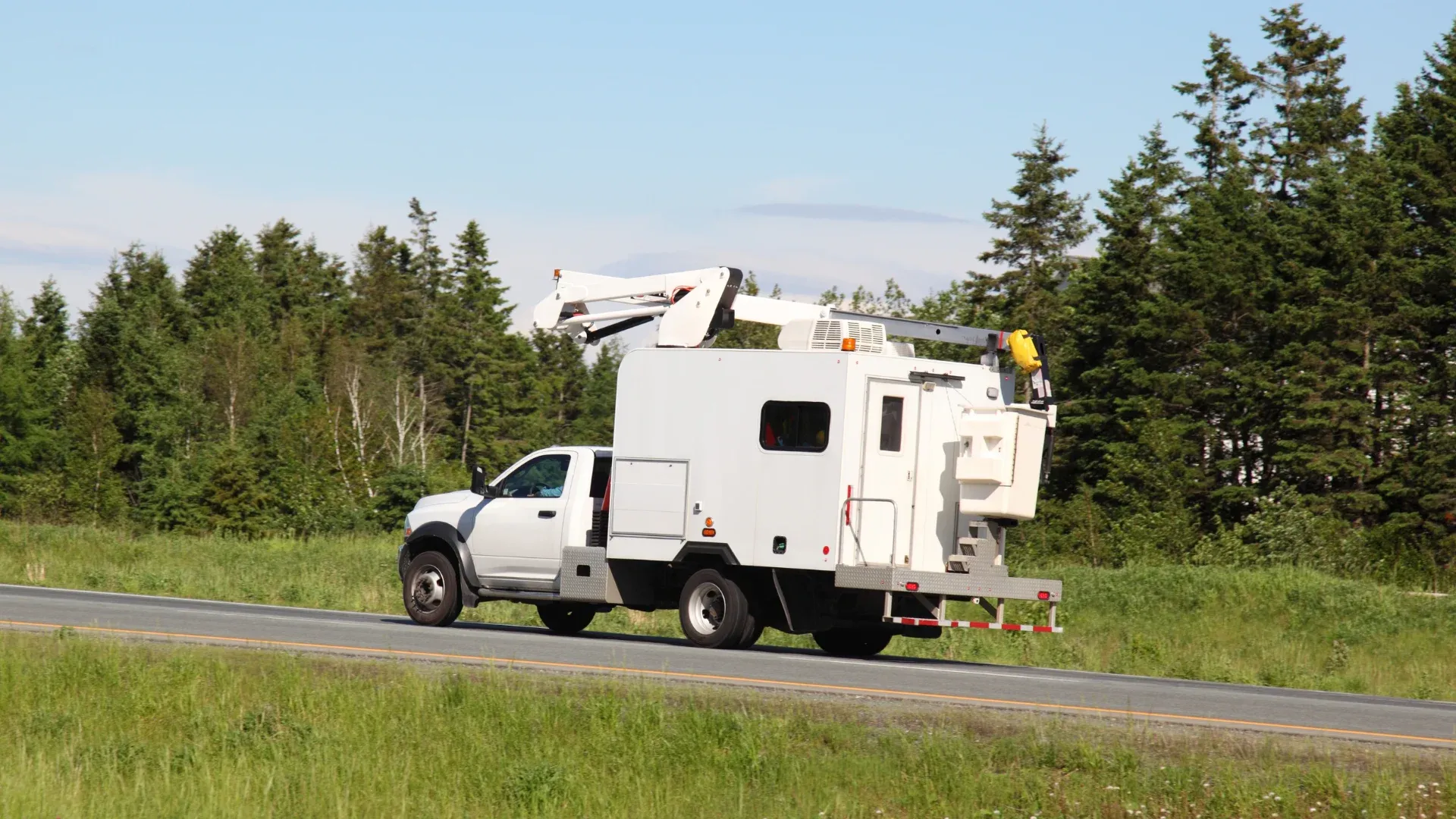
- Utility and service vehicles
- Mixed commercial fleets
Our shop in Glen Burnie is positioned to serve Baltimore, Annapolis, and surrounding Maryland routes that see heavy winter traffic.
Preventing Emergency Repairs in January
You can’t control the weather, but you can control preparation. Fleets that stay ahead of winter issues see fewer breakdowns and less downtime.
We recommend:
- Battery and charging system testing before deep cold
- Brake inspections before salt and moisture take hold
- Cooling system checks for leaks and weak components
- Fuel system service for diesel fleets
- Tire pressure checks and tread inspections
- Suspension checks after pothole season starts
Preventive heavy duty truck repair costs less than emergency repairs on the side of the road.
Why Fleet Managers Choose KG Truck & Auto
Fleet owners keep coming back to KG Truck & Auto because we understand how commercial vehicles operate in the real world.
- We know downtime costs money
- We work with fleet schedules, not against them
- We don’t upsell repairs that don’t make sense
- We fix trucks so they can get back to work
Whether you run five trucks or fifty, winter is not the season to gamble on repairs.
January Is the Worst Time to Fall Behind
If a truck is already showing signs of trouble, January will make it worse. Cold weather doesn’t hide problems. It exposes them. If your fleet is dealing with hard starts, warning lights, brake issues, or tire problems, now is the time to act. Waiting rarely saves money.
Heavy duty truck repair done early in winter keeps your trucks on the road when they’re needed most. Contact KG Truck & Auto today to schedule an inspection or fleet service appointment and take care of issues before winter downtime costs you more than the repair itself.
FAQ: Heavy Duty Truck Repair in Winter
What are the most common winter problems that require heavy duty truck repair?
Battery failures, brake issues, fuel system problems, tire damage, and cooling system leaks are the most common winter-related repairs.
How often should fleet trucks be inspected during winter?
Fleet trucks should be inspected more frequently during winter, especially for batteries, brakes, tires, and fluids. Monthly checks are common for active fleets.
Do you offer heavy duty truck repair for fleets in Maryland?
Yes. KG Truck & Auto works with commercial fleets throughout Maryland, including Baltimore, Annapolis, and surrounding areas.
Can winter breakdowns be prevented?
Many winter breakdowns can be avoided with preventive maintenance and early repairs. Cold weather makes small issues turn into big ones fast.
Contact Us
Contact Us