Full Synthetic Oil Change and Conventional Oil Change for Fall Maintenance

Mr. McBubbertin • September 17, 2025

As the weather cools down and the days get shorter, fall is the time to get your vehicle in shape for the colder months ahead. Whether you’re running a commercial fleet or just keeping your personal truck reliable, routine maintenance now can save you serious trouble later. At KG Truck & Auto, we offer both full synthetic oil changes and conventional oil changes as part of our fall maintenance checks. We also provide heating system inspections, wiper replacements, and more to help you prepare for winter.


Why Fall Is the Right Time for Preventive Maintenance


Maryland winters are unpredictable. Cold snaps, road salt, heavy rain, and long idle times are all hard on engines. Getting ahead of the weather now puts your vehicle in a better position when the temperature drops and your schedule tightens.


What’s the Difference Between Full Synthetic and Conventional Oil?


Full Synthetic Oil


Full synthetic oil flows better in cold starts, handles higher temperatures, and lasts longer between changes. It’s a great option for diesel trucks, work fleets, or high-mileage vehicles.


Conventional Oil


Conventional oil is a good fit for older vehicles. It’s more budget-friendly but needs to be changed more often. It works well for light-duty driving and short trips.


Not sure which one your vehicle needs? We’ll check the manufacturer’s guidelines and ask how you use your vehicle day to day.


What’s Included in Every Oil Change


No matter which oil you choose, our oil change service includes:


  • Full drain and refill
  • A new, high-quality oil filter
  • A visual check for leaks
  • Fluid top-offs
  • Belt, hose, and air filter inspection


Want to bundle in a heating system check or battery test? Just let us know when you book.


Why Full Synthetic Oil Is a Smart Choice for Cold Weather


Full synthetic oil performs better when temperatures drop. It holds its viscosity in freezing conditions, which means it flows faster through your engine on cold starts. That helps reduce wear and tear during the first few minutes of operation, which is when most engine damage happens. It also resists breaking down under stress, making it a better match for trucks that tow, idle in traffic, or run diesel engines. 


If you’re putting serious miles on your vehicle this winter, full synthetic gives you better protection when it matters most.


When Conventional Oil Still Makes Sense


Not every vehicle needs synthetic. For older trucks or equipment that don’t see long hauls, heavy loads, or extreme temps, conventional oil still holds up just fine. It provides the basic lubrication needed to protect your engine during everyday driving, especially if you’re sticking to short local routes or only putting on a few thousand miles a year.


It’s also a good fit for older engines that were designed around traditional oil formulations. The main trade-off is that it doesn’t hold up as long under stress or heat. That’s why you’ll need to stick to shorter oil change intervals, typically every 3,000 to 5,000 miles, to keep everything clean and running smooth. For budget-conscious drivers or low-mileage vehicles, conventional oil still gets the job done.


When to Book an Oil Change


We recommend:


• Every 5,000 to 7,000 miles for full synthetic

• Every 3,000 to 5,000 miles for conventional

• More often for fleets, diesels, and vehicles that idle heavily


Fall is the best time to knock it out before cold weather kicks in.


Add-On Fall Maintenance Services


Heating System Check


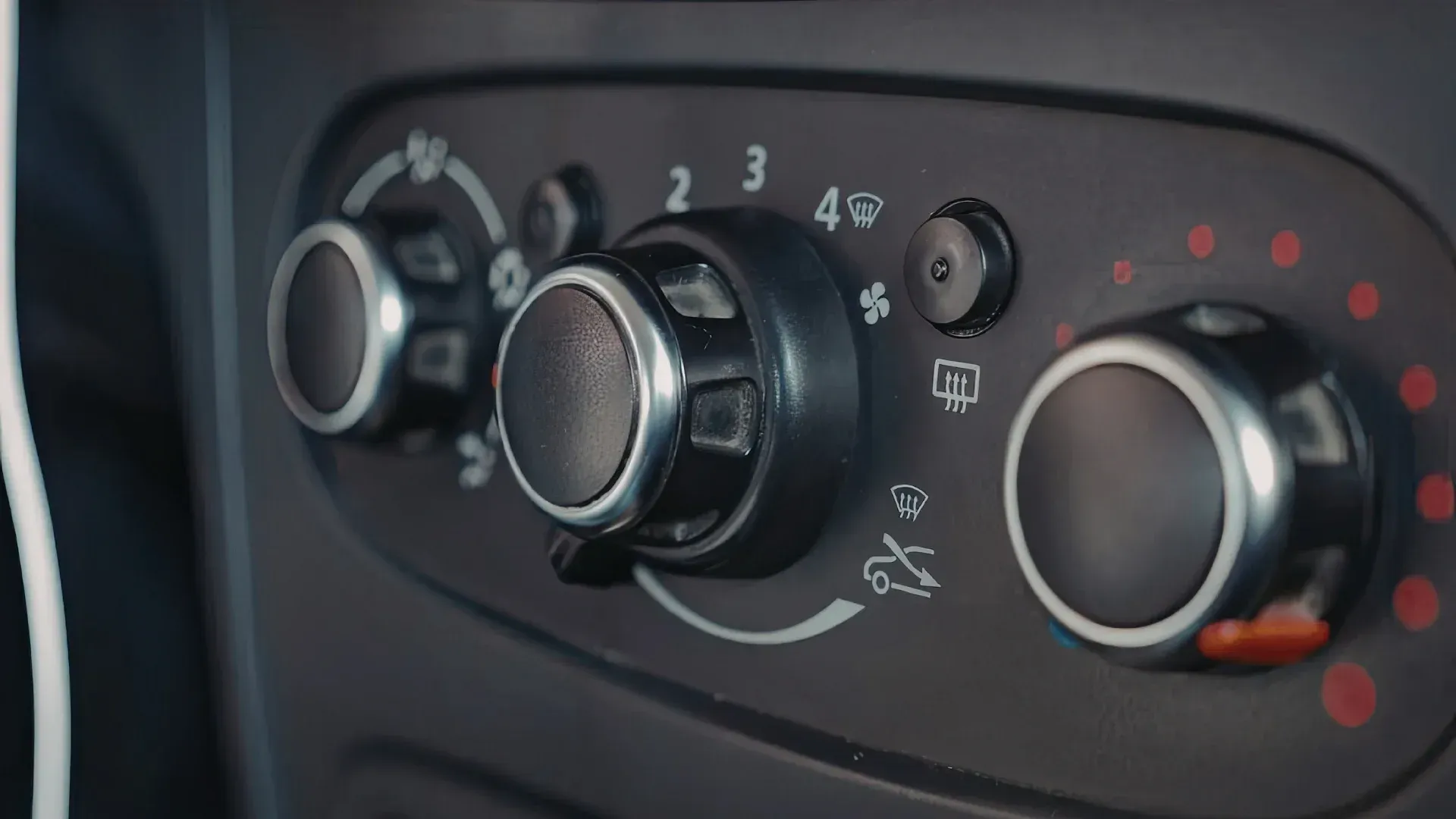
We inspect your heater core, blower motor, and coolant lines to make sure your cab warms up quickly and stays warm.


Wiper Replacement


Bad wipers are useless in a storm. If yours are streaking or splitting, we’ll swap them while we’ve got the hood open.


Battery and Charging System Test


Cold weather kills weak batteries. We’ll test your battery, alternator, and starter so you don’t get caught off guard.


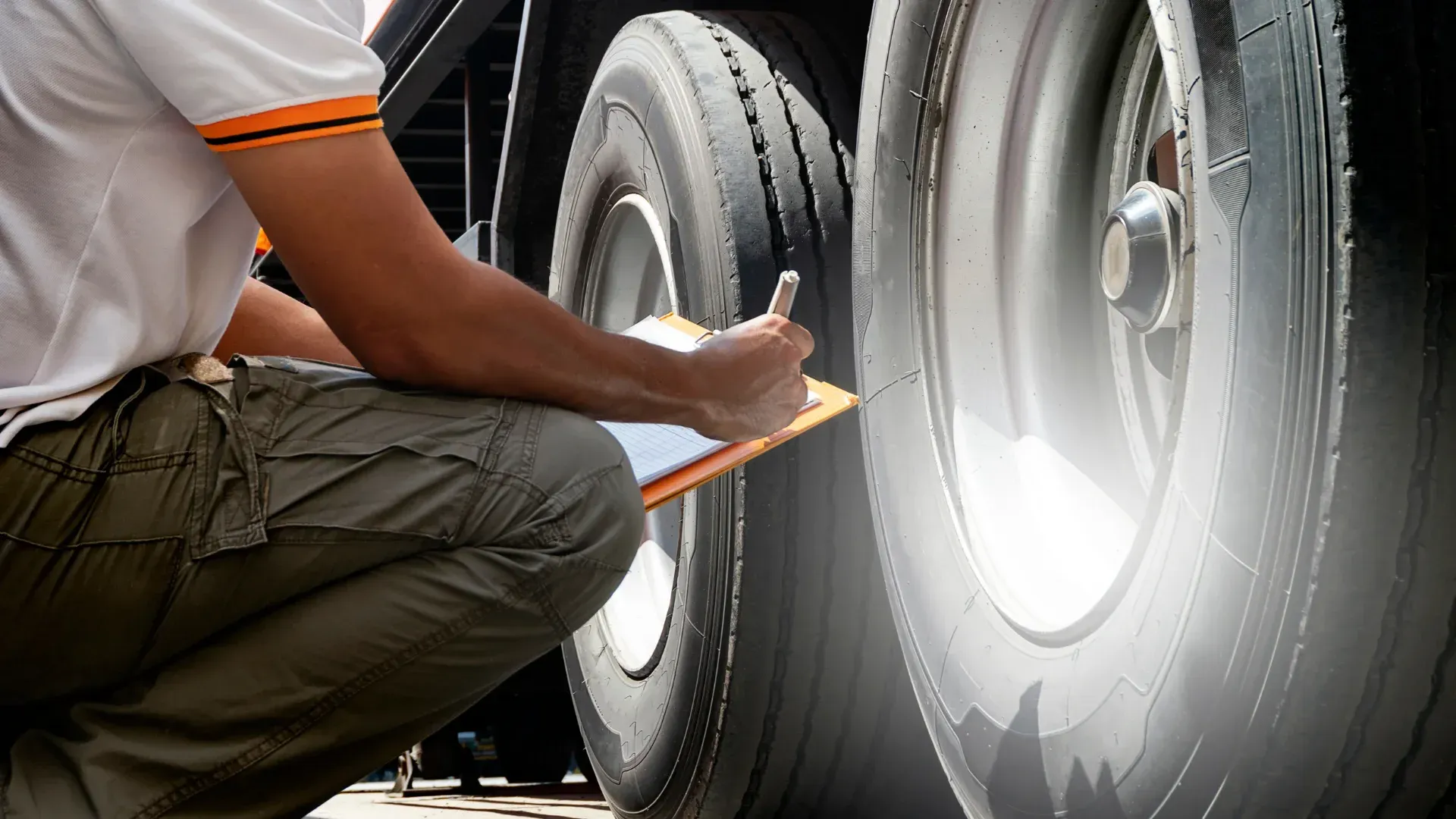
Tire Pressure and Tread Check


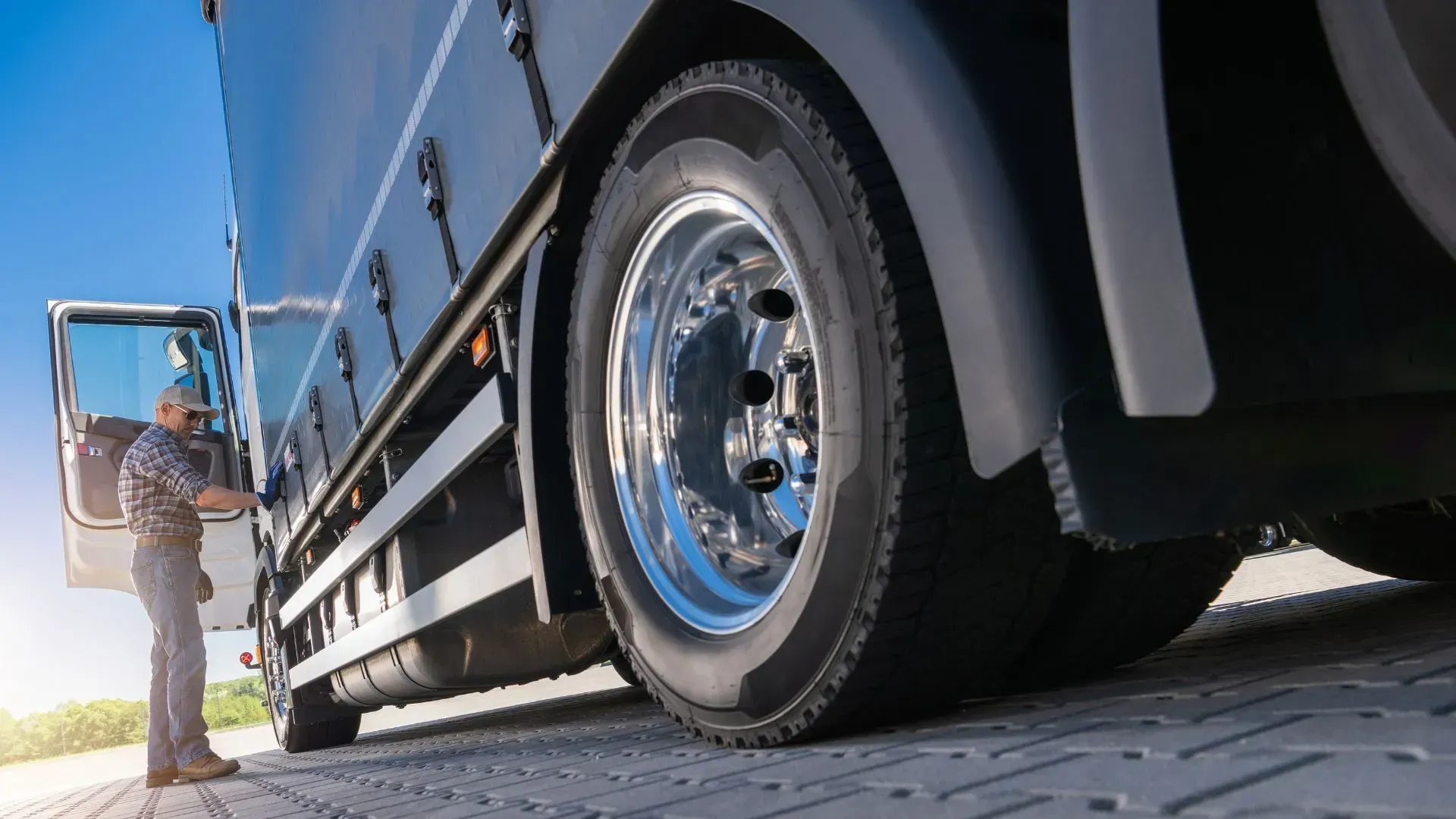
When temperatures drop, so does your tire pressure. We check PSI and tread depth so your truck keeps traction when the roads get slick.


Coolant and Antifreeze Inspection


Low or dirty coolant puts your engine at risk. We check levels, look for leaks, and top you off with the right mix for winter.


Light Check and Bulb Replacement


Shorter days mean more time driving in the dark. We’ll check all your lights, headlights, brake lights, markers, and replace any that are burned out or dim.


DEF System Check (for Diesel Fleets)


Colder temps can mess with DEF tanks and heaters. We check for fault codes, inspect tank heaters, and make sure your emissions system is ready for winter routes.


Fleet Oil Change Service Available


We work with all kinds of commercial fleets, from delivery vans to diesel pickups. Our team offers fast, reliable service that keeps your vehicles moving without long waits or confusing scheduling.


We provide:


  • Flexible scheduling
  • Diesel and gas support
  • Quick turnaround
  • Full maintenance tracking


Why Work with KG Truck & Auto?


We’ve been working on Maryland trucks for years and know what goes wrong, when it happens, and how to stop it before it gets worse. No guesswork. No upsells.


  • ASE-certified techs
  • Diesel and gas specialists
  • Honest, real-world advice
  • Fast turnaround
  • Local knowledge that matters


Book Your Fall Oil Change Today


Don’t wait until cold mornings and engine trouble slow you down. Schedule your full synthetic oil change or conventional oil change with KG Truck & Auto today and head into winter with confidence.


FAQ: Oil Changes and Seasonal Maintenance


How do I know if I need a full synthetic oil change?


If you drive long distances, idle often, tow heavy loads, or run a diesel, full synthetic oil is generally the better choice.


Can I switch from conventional to synthetic oil?


Yes, most modern engines are compatible. We’ll help you make the switch the right way if it’s a good fit for your vehicle.


How long does an oil change take?


Most oil changes take 30 to 45 minutes. If you’re adding fall maintenance services, expect a little more time.


Do you service fleets?


Absolutely. From HVAC vans to diesel delivery trucks, we keep fleets of all sizes on the road and in rotation.


Contact Us

Contact Us
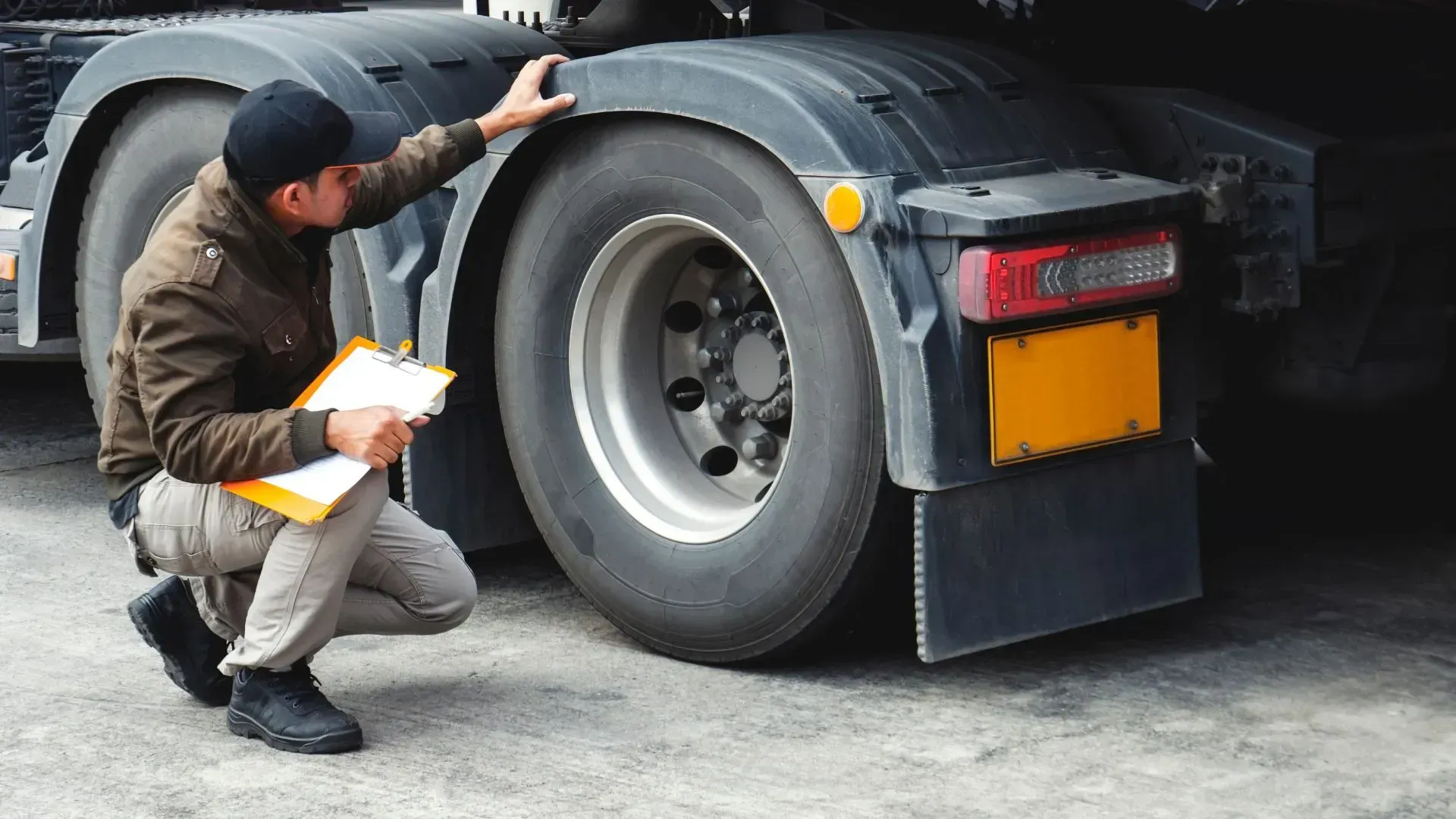
auto inspection stations
By Mr. McBubbertin September 9, 2026
Learn what fleet inspectors should check this fall and how auto inspection stations can help identify safety and maintenance concerns.
By Mr. McBubbertin August 19, 2026
Summer places strain on commercial truck tires. Hot pavement, long routes, heavy loads, and increased highway traffic can turn a small tire issue into an expensive delay. A proactive approach to semi tire repair helps fleet managers address damage before a truck loses valuable time on the road. Drivers and maintenance teams should pay close attention to tire conditions throughout the season. Catching pressure loss, tread damage, or irregular wear early gives a technician more options and helps keep delivery schedules moving. Why Semi Tire Repair Becomes More Important in Summer Heat affects tire pressure and increases the stress placed on tires during extended trips. As a tire rolls, friction generates additional heat. High outdoor temperatures and sun-heated pavement add to that buildup, particularly when a truck is carrying a heavy load or traveling at highway speeds. Underinflation can cause excessive sidewall flexing, which creates more heat inside the tire. Overinflation may reduce the tire’s ability to absorb road impacts. Both conditions deserve attention during pre-trip inspections. Timely semi tire repair can address certain punctures and other serviceable damage before heat and road use make the problem worse. Check Tires Before the Truck Leaves the Yard A thorough tire inspection should be part of the daily routine during peak summer driving season. Pressure readings should be taken when tires are cold and compared with the vehicle or tire manufacturer’s specifications. Drivers should also examine valve stems, caps, tread surfaces, and sidewalls. Uneven tread wear may point to alignment, suspension, or inflation concerns. Cracks, cuts, exposed cords, bulges, and objects lodged in the tread require professional evaluation. Dual tires also need adequate spacing and matching inflation. When one tire carries more of the load than its partner, both tires may experience unnecessary stress. Maintenance records add useful context. Tracking recurring pressure loss or wear on a particular wheel position can reveal a pattern that a quick visual check might miss. Signs Your Fleet May Need Tire Repair A tire does not need to be flat to require service. Repeated pressure loss is one of the clearest signs of a slow leak. Drivers may also notice vibration, pulling, unusual road noise, or a change in handling. These symptoms can come from several sources, so an inspection should cover the complete wheel and tire assembly. Visible punctures should not be treated as minor simply because the tire still holds air. The location, angle, and size of the injury affect repairability. Continuing to drive can expand internal damage and reduce the chance that semi tire repair remains an appropriate option. When Repair May Be Possible Some tread-area punctures may be repairable after the tire is removed from the wheel and inspected inside and out. A surface plug alone does not allow a technician to examine the inner liner or locate hidden damage caused by running underinflated. Sidewall injuries, exposed cords, large punctures, severe cracking, or damage from extended low-pressure operation may call for replacement. The tire’s age, tread depth, previous repairs, and overall condition also shape the recommendation. Professional semi tire repair starts with a complete assessment, not a quick exterior patch. Removing a tire from service early can also prevent a repairable puncture from becoming a replacement. Drivers should report warning signs promptly and avoid adding air repeatedly without locating the source of the leak. Build Tire Service into Summer Fleet Planning Fleet managers can reduce disruption by scheduling regular tire checks around routes, mileage, and vehicle use. Inspection frequency may need to increase for trucks operating on rough roads, carrying demanding loads, or running long shifts in high temperatures . Keep accurate pressure and service records for every tractor and trailer. Drivers should also know how to report tire concerns and where to obtain qualified service along common routes. A planned semi tire repair appointment is easier to manage than an unexpected tire failure during a time-sensitive delivery. Frequently Asked Questions How quickly should a fleet address a truck tire that keeps losing pressure? A tire with recurring pressure loss should be inspected as soon as practical. Adding air may temporarily restore pressure, but it does not correct the leak. Continued operation can create internal heat and damage that may remove semi tire repair as an option. Can a punctured semi tire be repaired instead of replaced? Some punctures within the tread area may qualify for repair, depending on their size, location, and the tire’s overall condition. A trained technician must remove and inspect the tire to determine if it can return to service. What tire problems are most common during summer fleet operation? Low pressure, tread punctures, irregular wear, heat-related stress, valve leaks, and sidewall damage are common concerns. Frequent inspections help drivers identify these problems before they lead to longer delays or additional vehicle damage. Prepare Your Fleet for Peak Summer Routes Do not let a small tire issue interrupt a busy route. For professional semi tire repair and commercial truck service, Contact KG Truck & Auto to discuss your fleet’s tire needs.
Heavy Duty Truck
By Mr. McBubbertin July 20, 2026
Learn the most common heavy duty truck problems, warning signs to watch for, and when to schedule service with KG Truck & Auto in Maryland.
Truck Alignment
By Mr. McBubbertin June 8, 2026
Truck alignment problems can lead to tire wear, steering issues, and DOT inspection concerns. Get truck alignment service in Maryland from KG Truck & Auto.
AC Repair for Heavy Duty Trucks
By Mr. McBubbertin May 18, 2026
Need ac repair for heavy duty trucks? KG Truck & Auto fixes weak airflow, warm air, and AC system problems across Maryland.
Light Duty Diesel Repair
By Mr. McBubbertin April 22, 2026
Light duty diesel repair for trucks affected by cold starts and idling. KG Truck & Auto serves Glen Burnie, Baltimore, and Annapolis drivers.
DOT inspection
By Mr. McBubbertin March 12, 2026
Learn the most common DOT inspection failures for Maryland trucks and how fleet maintenance can help avoid violations and keep your vehicles on the road.
diesel repair
By Mr. McBubbertin February 25, 2026
Cold weather exposes hidden engine issues. Get professional diesel repair in Maryland from KG Truck & Auto to keep your fleet running this winter.
Heavy Duty Truck Repair
By Mr. McBubbertin January 20, 2026
January winter failures hit fleets hard. Learn the most common heavy duty truck repair issues and how KG Truck & Auto keeps Maryland trucks moving.
Semi Truck Tire Repair
By Mr. McBubbertin December 10, 2025
Stay safe this winter with expert semi truck tire repair from KG Truck & Auto. We inspect, repair, and replace tires to keep your fleet ready for icy roads.