Auto Inspection Stations: What Fleet Inspectors Should Check This Fall
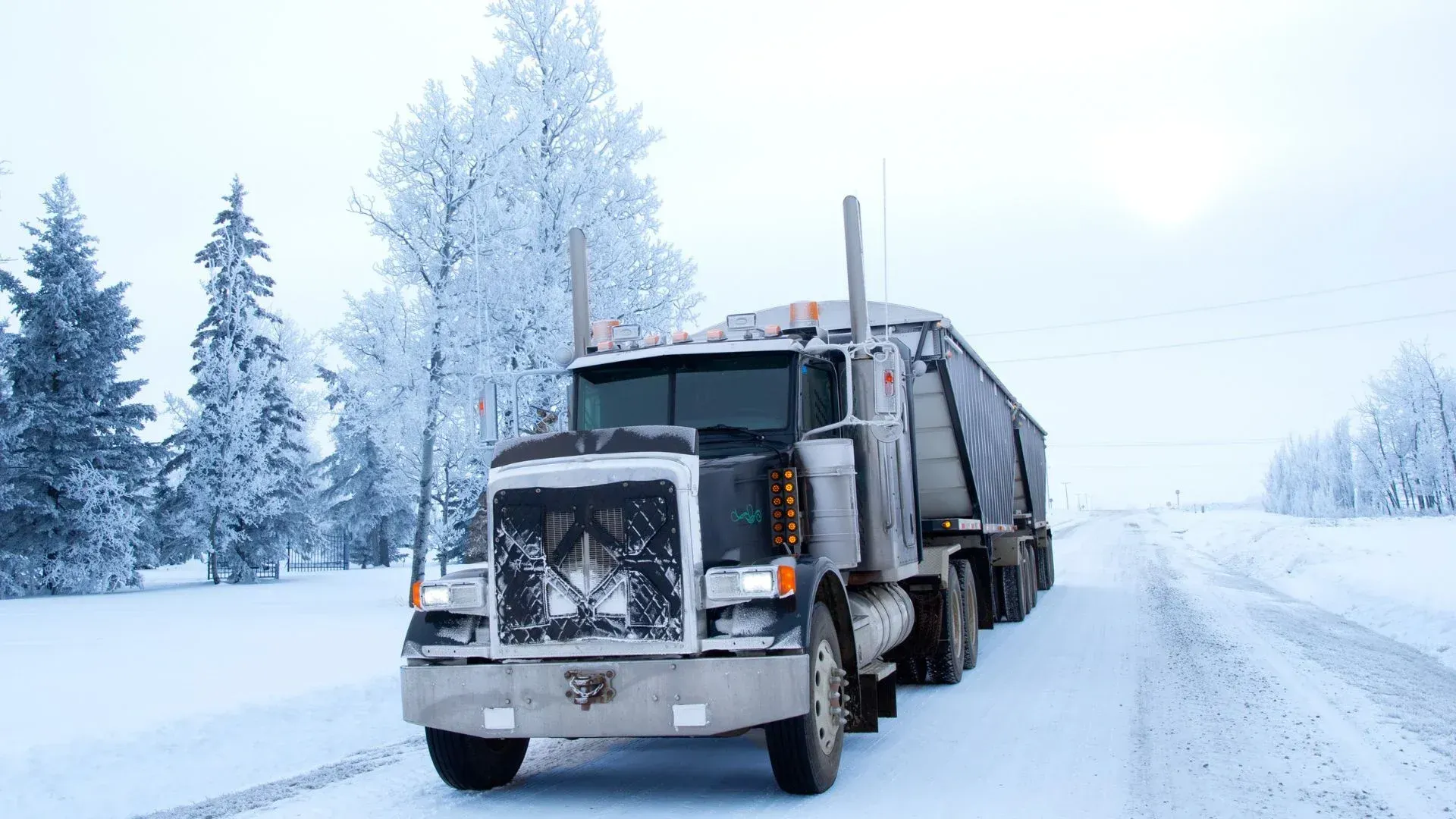
Fall is an important time for commercial fleet inspections. Summer mileage, heat, heavy loads, and long operating hours can leave vehicles with wear that may not be obvious during daily use. At the same time, colder temperatures, shorter days, rain, and eventually winter weather place new demands on trucks, vans, buses, and other fleet vehicles.
For fleet inspectors, a fall inspection is an opportunity to identify problems before winter places even more stress on the vehicle. Working with qualified auto inspection stations can also give fleet managers a clearer picture of which vehicles need immediate repairs and which maintenance items should be planned for the coming months.
Here are several areas worth paying close attention to this fall.
What Should Auto Inspection Stations Check on Fleet Vehicles?
A fleet inspection should go beyond checking whether a vehicle starts, stops, and has working lights. Commercial vehicles often accumulate mileage quickly and may operate under heavier loads than personal vehicles.
The condition of the vehicle should be evaluated as a complete system. Tires affect braking and handling. Suspension wear can affect tire life. Battery problems can become more noticeable as temperatures fall. A small fluid leak can develop into a larger mechanical issue.
Experienced auto inspection stations can help identify these connections instead of treating each component as an isolated item.
Start With Tires and Tread Condition
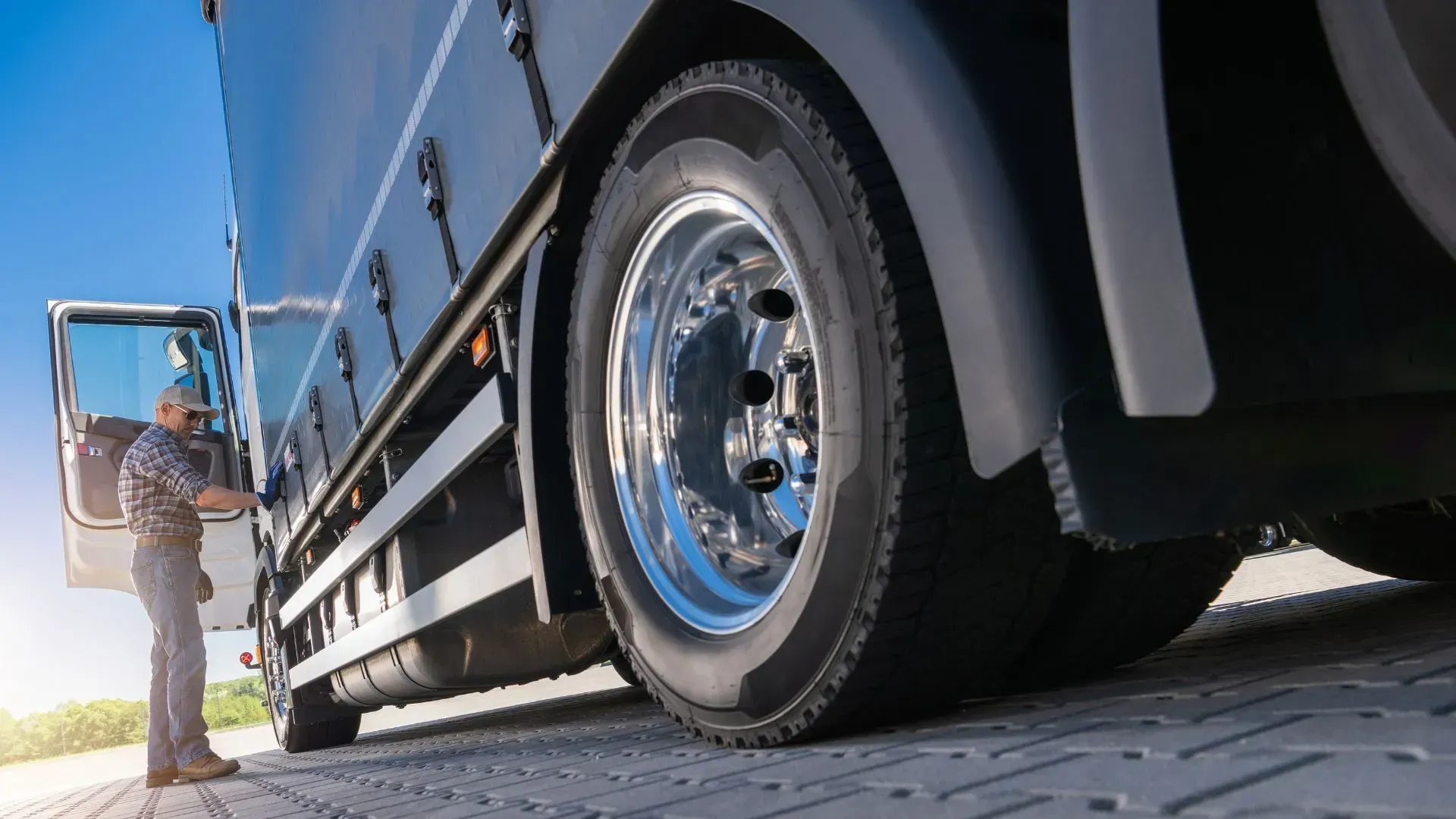
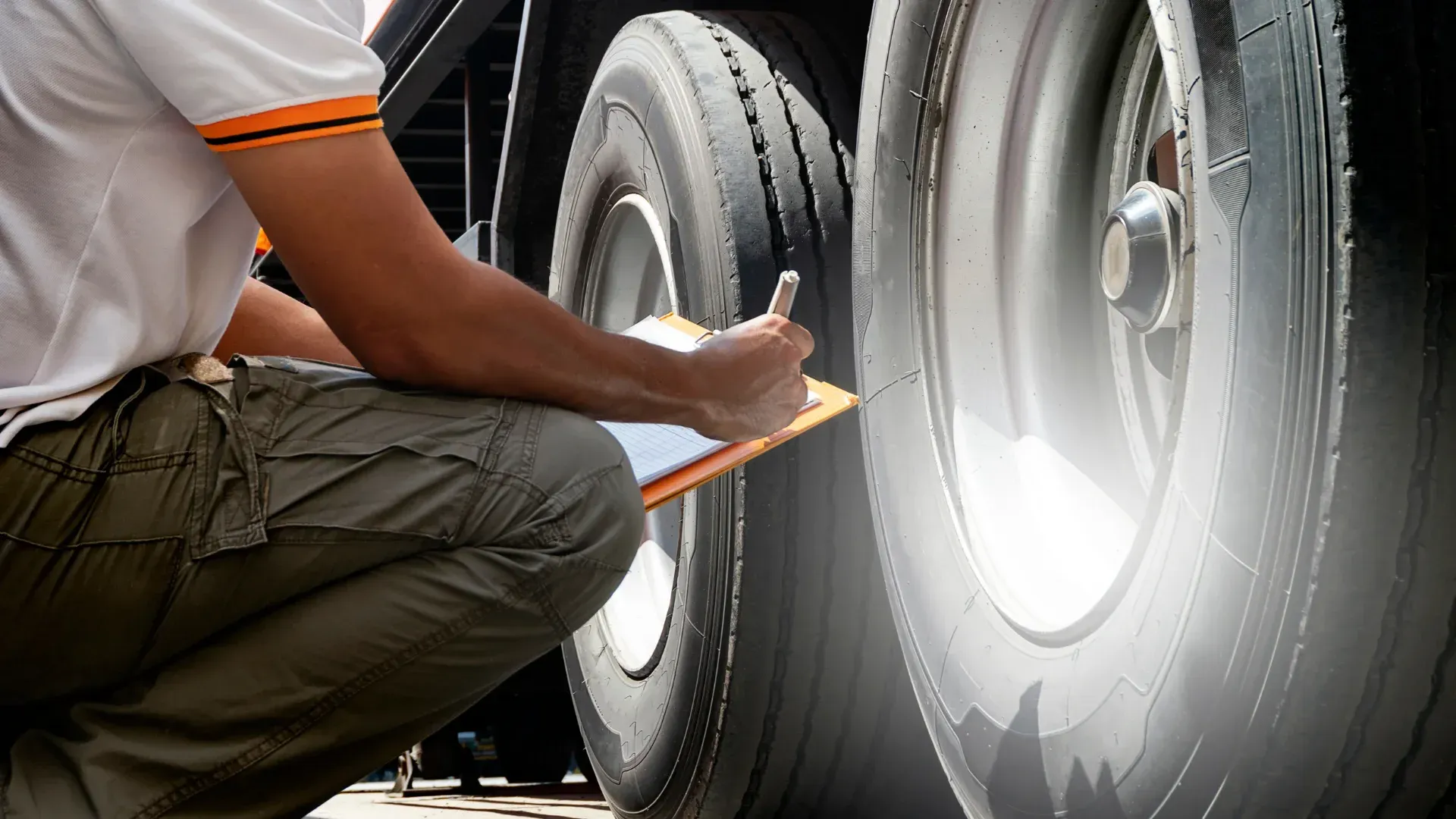
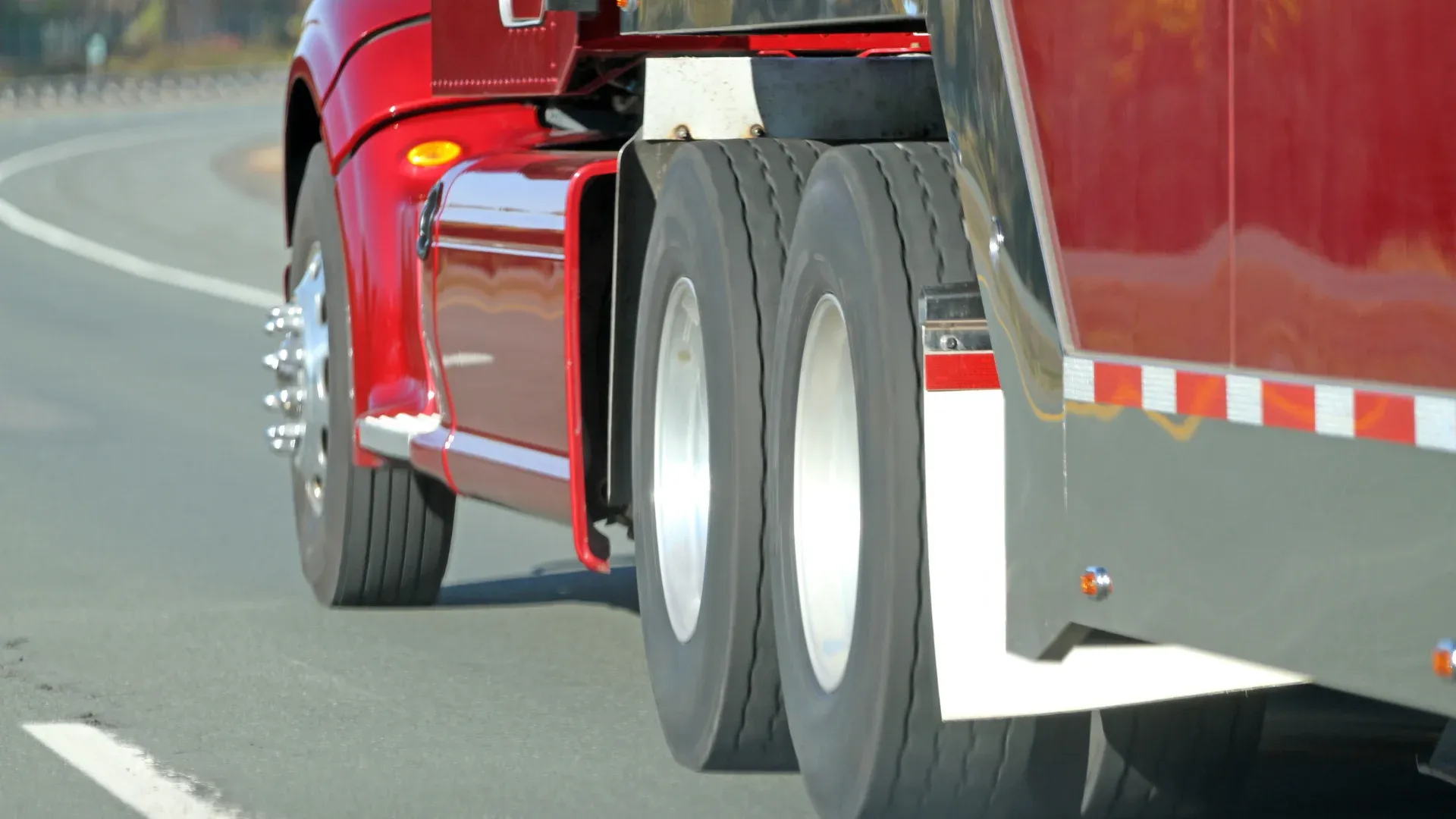
Tires should be high on any fall fleet inspection checklist. Inspectors should look at tread depth, tire pressure, sidewall condition, and wear patterns across each tire.
Uneven wear can provide clues about other problems. Excessive wear on one side may point to an alignment issue, while irregular or cupped wear can be associated with suspension or wheel problems.
Tire pressure also deserves more attention as temperatures begin dropping. Pressure can decrease as outdoor temperatures fall, making regular checks especially useful during the transition into colder weather.
For vehicles that spend long hours on Maryland highways or carry heavy loads, tire condition can directly affect handling, braking, fuel use, and vehicle downtime.
Inspect Brakes Before Winter Conditions Arrive
Brake inspections should cover more than remaining pad or shoe life. Fleet inspectors should also pay attention to rotors, drums, calipers, brake lines, hoses, and other components based on the vehicle’s braking system.
Heavy trucks and commercial vehicles may require inspection of air brake components as well. KG Truck & Auto provides air brake repair as part of its commercial vehicle services.
Warning signs such as pulling while braking, vibration, unusual sounds, a soft pedal, or changes in stopping performance should be investigated rather than left until the next scheduled service.
Auto inspection stations can document brake condition across the fleet and help managers determine which units require service.
Check Steering, Suspension, and Alignment
Potholes, uneven roads, curbs, heavy loads, and constant use can take a toll on steering and suspension systems.
Inspectors should look for worn shocks, springs, bushings, steering components, wheel bearings, and other signs of looseness or damage. Drivers may also report pulling, wandering, vibration, or unusual tire wear.
These concerns can become more noticeable when roads are wet or slippery. A fall inspection gives fleet managers time to address them before winter.
KG Truck & Auto services steering and suspension systems and provides alignment services, including heavy-truck alignments.
Test Batteries and Electrical Systems
A battery that performed normally throughout the summer can struggle once colder temperatures arrive. That makes fall a good time to test battery condition and inspect charging and starting systems.
Fleet inspectors should check battery terminals for corrosion or loose connections and review the condition of alternators, starters, wiring, and related electrical components when symptoms are present.
Lighting deserves its own check. Headlights, brake lights, turn signals, marker lights, and other required lighting become especially important as daylight hours decrease.
Auto inspection stations that work with commercial fleets should be equipped to diagnose electrical problems that go beyond a simple bulb replacement.
Look Closely for Fluid Leaks
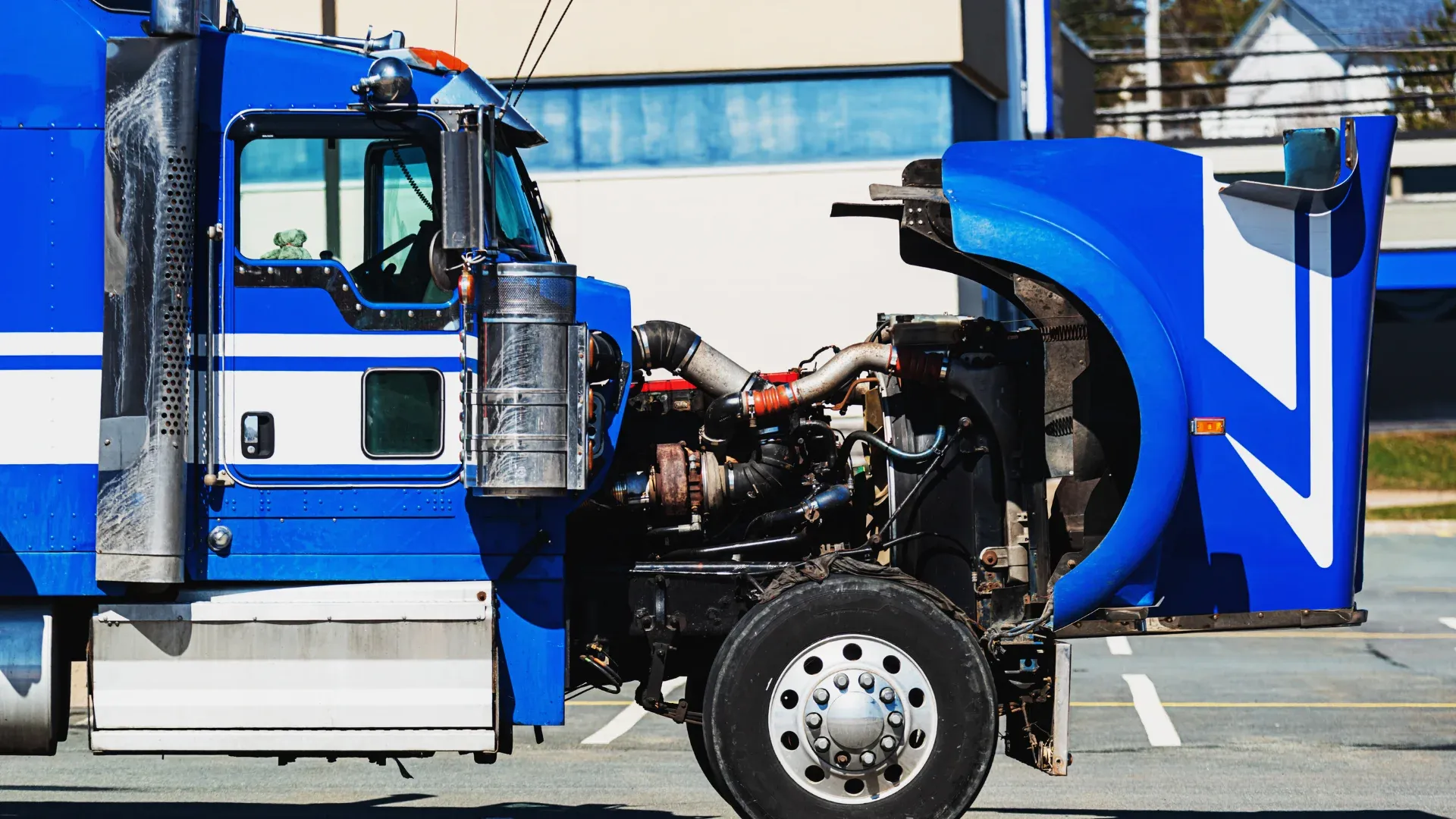
Inspecting fluids can reveal developing problems before a vehicle experiences a breakdown. Engine oil, coolant, transmission fluid, power steering fluid, brake fluid, and other vehicle-specific fluids should be checked as applicable.
Inspectors should also look underneath vehicles and around hoses, fittings, seals, and major components for signs of leaks.
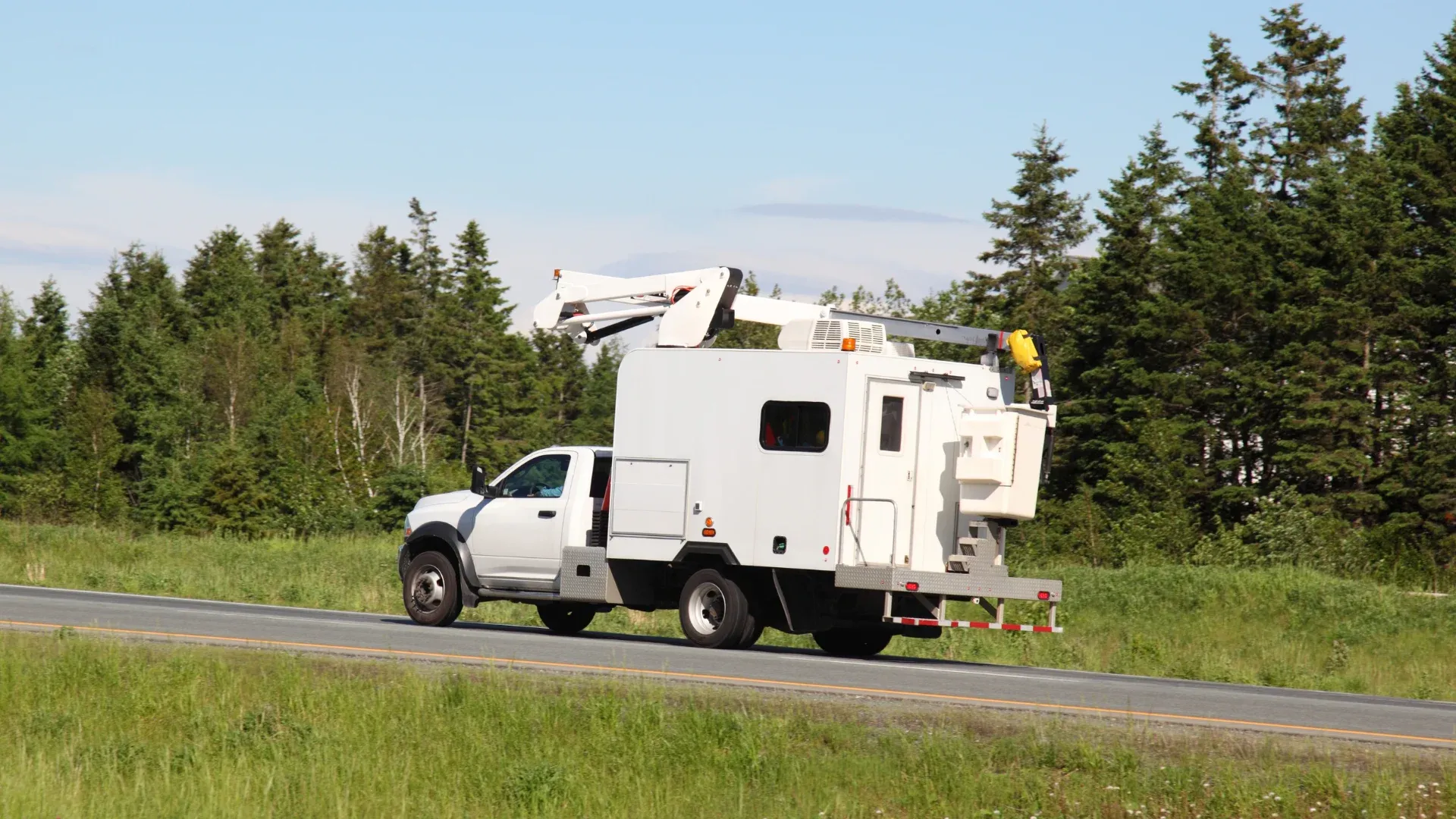
Commercial fleets that include specialty equipment may have hydraulic systems that require inspection as well. KG Truck & Auto provides hydraulic hose, line, and cylinder repairs for commercial and specialty vehicles.
Review Wipers, Heating, and Visibility
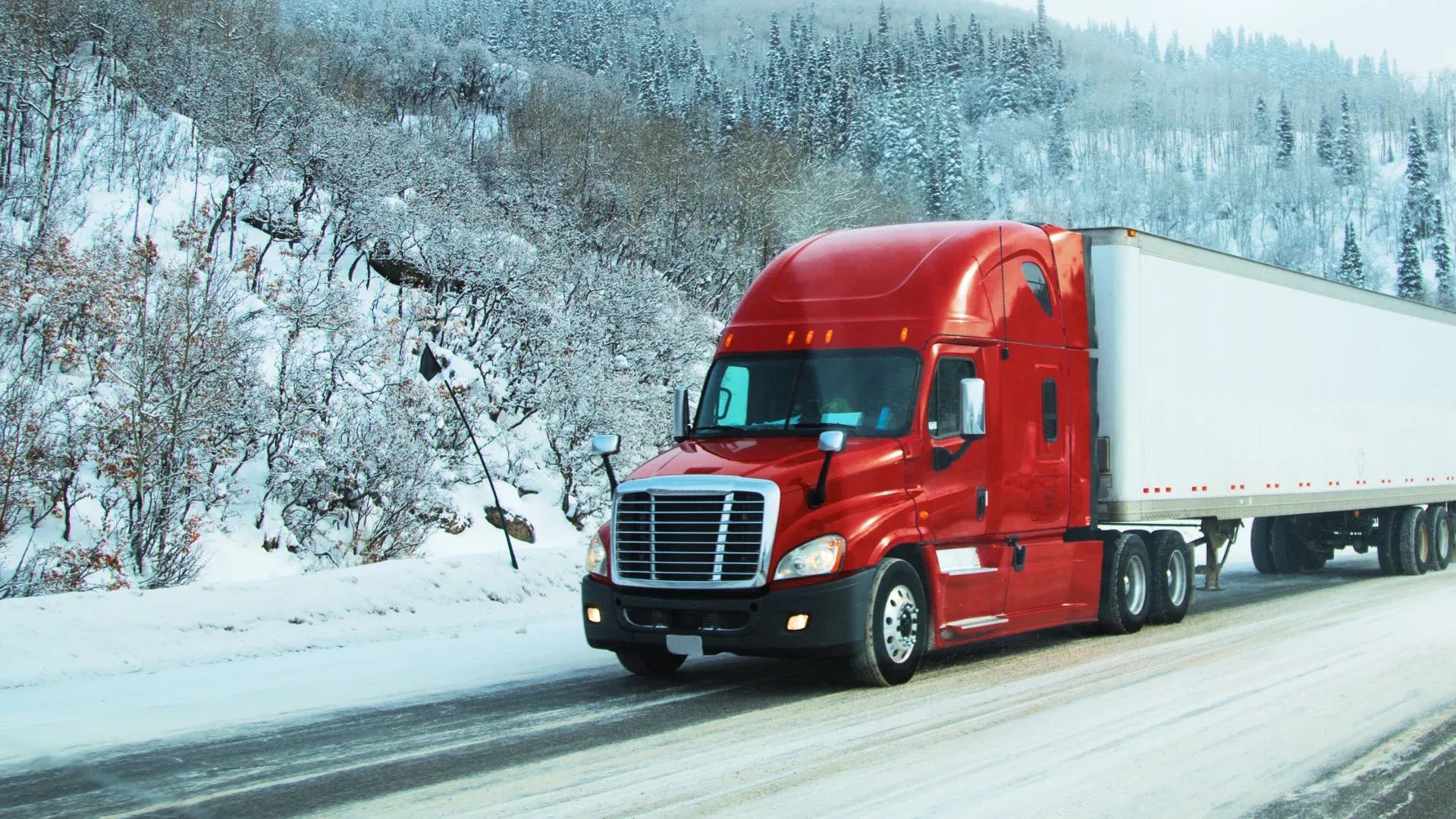
Fall brings shorter days, rain, leaves, and eventually frost and freezing temperatures. Visibility systems should be ready before those conditions become part of daily fleet operations.
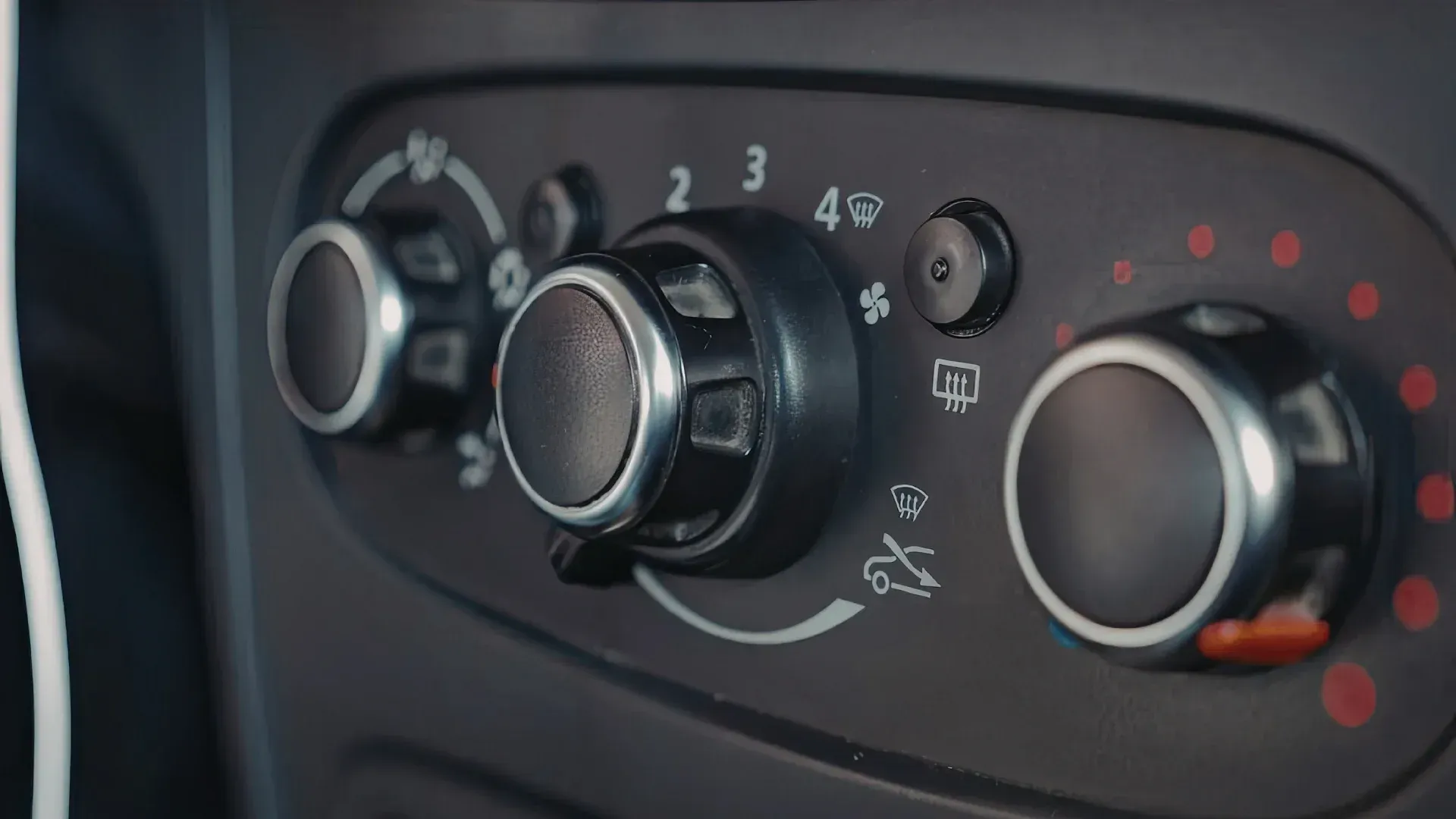
Inspect windshield wipers for streaking, cracking, or poor contact with the glass. Washer fluid and washer nozzles should work properly. Inspectors should also test defrosters and heating systems.
Windshields, mirrors, and required vehicle glass should be checked for damage that could interfere with the driver’s field of vision.
Use Fall Inspections to Review Preventive Maintenance
A physical inspection tells you what condition a vehicle is in today. Maintenance records can help explain how it got there and what it may need next.
Fleet inspectors should review mileage, engine hours where applicable, previous repairs, recurring defects, manufacturer service intervals, and upcoming inspection requirements.
This is especially valuable for mixed fleets. A business may operate passenger vehicles, work vans, medium-duty trucks, Class 8 trucks, trailers, or specialty equipment, each with different service needs.
The right auto inspection stations should understand those differences. KG Truck & Auto services light-, medium-, and heavy-duty trucks along with buses, RVs, trailers, commercial fleets, and specialty equipment.
Prepare Your Fleet for the Months Ahead
A fall fleet inspection should help answer a practical question: What needs attention before colder weather arrives?
Tires, brakes, steering, suspension, electrical systems, fluids, visibility equipment, and maintenance history all provide useful information about vehicle condition. Addressing identified concerns can also help fleet managers plan repairs rather than waiting for a problem to interrupt operations.
For Maryland fleets, choosing auto inspection stations with experience across different commercial vehicle classes can simplify that process. KG Truck & Auto provides Maryland State Vehicle Safety Inspections, DOT inspections, COMAR inspections, preventive maintenance, and commercial vehicle repair from its Glen Burnie facility.
Frequently Asked Questions
How often should commercial fleet vehicles be inspected?
Inspection frequency depends on the type of vehicle, how it is used, mileage, applicable regulations, and the fleet’s maintenance program. Fleet managers should follow required inspection schedules while also using preventive inspections to identify wear between required service intervals.
What should fleet inspectors prioritize before winter?
Tires, brakes, batteries, steering and suspension, lights, wipers, heating and defrosting systems, and fluid condition deserve close attention. Inspectors should also review maintenance records for overdue or upcoming service.
Can auto inspection stations inspect heavy-duty fleet vehicles?
Capabilities vary by facility. Fleet managers should confirm that the shop has the equipment and experience required for their vehicle classes. KG Truck & Auto works with vehicles ranging from light-duty units to Class 8 trucks and specialty equipment and offers Maryland State, DOT, and COMAR safety inspections.
Schedule a Fall Fleet Inspection With KG Truck & Auto
Get a clearer picture of your fleet’s condition before winter weather arrives. Contact KG Truck & Auto to discuss inspections, preventive maintenance, and commercial fleet service in Glen Burnie, Maryland.
Contact Us
Contact Us