Truck Exhaust Problems That Impact Commercial Fleets in Cold Weather

Kelsey Gary • October 8, 2026

Cold weather can create serious challenges for commercial fleets, especially when trucks are operating in freezing temperatures and icy road conditions. While fleet owners often focus on batteries, tires, and engines during winter, the exhaust system is another important component that deserves attention. 


A properly functioning truck exhaust system helps direct harmful gases away from the vehicle, supports engine performance, and allows emissions control equipment to operate correctly. When problems develop, they can lead to reduced fuel efficiency, unexpected repairs, and costly vehicle downtime. 


Understanding how winter conditions affect truck exhaust systems can help fleet managers identify warning signs early and keep their vehicles operating safely throughout the season. 


How Cold Weather Affects Truck Exhaust Systems 


Winter conditions expose commercial vehicles to moisture, road salt, freezing temperatures, and repeated heating and cooling cycles. Over time, these factors can contribute to corrosion, exhaust leaks, and problems with emissions control components. 


Commercial trucks that operate on short routes or spend extended periods idling may face additional challenges. When an engine does not reach or maintain its normal operating temperature, moisture can remain inside exhaust components longer, increasing the risk of corrosion. 


Diesel-powered trucks may also experience problems with their diesel particulate filter (DPF) and selective catalytic reduction (SCR) systems, particularly when frequent stops and low-speed operation prevent ideal exhaust temperatures. 


For fleet owners, addressing these issues before they worsen can help prevent unexpected breakdowns during busy winter schedules. 


Common Truck Exhaust Problems During Winter 


Several exhaust-related problems become more noticeable during colder months. Knowing what to watch for can help fleet managers determine when professional inspections or repairs are necessary. 


1. Exhaust Leaks and Corroded Components 


Road salt, moisture, and existing rust can weaken exhaust pipes, mufflers, clamps, and connections. Temperature changes may also place stress on aging components. 


Common warning signs include: 


  • Louder engine or exhaust noise than usual 
  • Rattling or hissing sounds underneath the truck 
  • Visible rust or damage around exhaust connections 
  • Exhaust fumes entering the cab 
  • Reduced engine performance 


Exhaust leaks should be addressed promptly, especially when fumes are noticeable inside the vehicle. Exposure to exhaust gases, including carbon monoxide, can create serious health risks for drivers. 


2. Diesel Particulate Filter Problems 


The diesel particulate filter captures soot from engine exhaust before it exits the vehicle. To prevent excessive buildup, the system periodically performs a regeneration process that burns off accumulated soot. 


Cold-weather driving conditions can interfere with this process, particularly when trucks frequently idle or operate on short routes. 


If regeneration cannot complete properly, drivers may notice warning lights, reduced engine power, or increased regeneration requests. 


Ignoring these symptoms can lead to more expensive DPF cleaning or repairs and potentially remove a vehicle from service. 


3. DEF and SCR System Issues 


Many modern diesel trucks use diesel exhaust fluid (DEF) and selective catalytic reduction systems to reduce nitrogen oxide emissions. 


DEF begins freezing at approximately 12°F (-11°C). Although these systems are designed with heating components to manage freezing conditions, faulty heaters, sensors, or fluid delivery equipment can create problems. 


Common symptoms include DEF warning lights, emissions-related fault codes, and engine power restrictions. 


A professional diagnostic inspection can determine whether the problem involves frozen fluid, a failed heating component, or another issue within the emissions system. 


4. Excessive Condensation and Moisture 


Water vapor is a normal byproduct of combustion. During winter, condensation may collect inside the truck exhaust system as warm gases meet cold metal surfaces. 


Short trips can make this problem worse because the exhaust system may not stay hot long enough to evaporate accumulated moisture. 


Over time, trapped moisture can contribute to internal corrosion, particularly in older mufflers and exhaust pipes. 


A small amount of white vapor during a cold start is often normal. However, thick white smoke that continues after the engine warms up may indicate an engine or fuel-system problem that requires inspection. 


How Truck Exhaust Problems Affect Operations 


An exhaust problem can create more than a repair expense. For commercial fleet owners, a single truck taken out of service may affect delivery schedules, employee productivity, and customer commitments. 


Depending on the issue, a damaged or restricted truck exhaust system may contribute to: 


  • Unexpected downtime: Emissions-related fault codes or engine power restrictions can interrupt scheduled routes. 
  • Higher operating costs: Exhaust restrictions and related engine problems may affect fuel consumption. 
  • Safety concerns: Exhaust leaks can expose drivers to harmful gases. 
  • Inspection issues: Damaged exhaust components or emissions system faults may create compliance concerns. 
  • More expensive repairs: Delaying maintenance can allow smaller problems to develop into larger mechanical failures. 


Addressing exhaust concerns early can help fleet managers better control maintenance expenses and reduce disruptions. 


Frequently Asked Questions 


Can cold weather cause a truck exhaust system to fail? 


Cold weather alone does not necessarily cause exhaust failure, but freezing temperatures, moisture, road salt, and existing corrosion can contribute to component damage. Winter operating conditions may also make certain diesel emissions system problems more noticeable. 


How do I know if my commercial truck has an exhaust problem? 


Common signs include unusual exhaust noises, visible corrosion, exhaust fumes inside the cab, reduced engine performance, and emissions-related dashboard warnings. Diesel trucks may also experience frequent DPF regeneration requests or DEF system fault codes. 


How often should commercial fleets have their exhaust systems inspected? 


Exhaust components should be checked during scheduled preventative maintenance inspections, with additional attention before and during winter. Inspection frequency depends on vehicle mileage, operating conditions, manufacturer recommendations, and applicable fleet inspection requirements. 


Keep Your Commercial Fleet Running with KG Truck


Winter conditions can put additional stress on commercial vehicles, making preventative maintenance and timely repairs especially important. At KG Truck & Auto, our ASE-certified technicians provide commercial truck repair, exhaust system repairs, DPF and DEF diagnostics, and fleet maintenance services for businesses throughout Glen Burnie and the surrounding Maryland communities.  


Whether your fleet is experiencing truck exhaust problems or needs routine winter maintenance, our team can help identify concerns and recommend the appropriate repairs. 


Don't let exhaust problems interrupt your winter operations. Contact KG Truck & Auto today to schedule an inspection. 


Contact Us

Contact Us
auto inspection stations
By Mr. McBubbertin • September 9, 2026
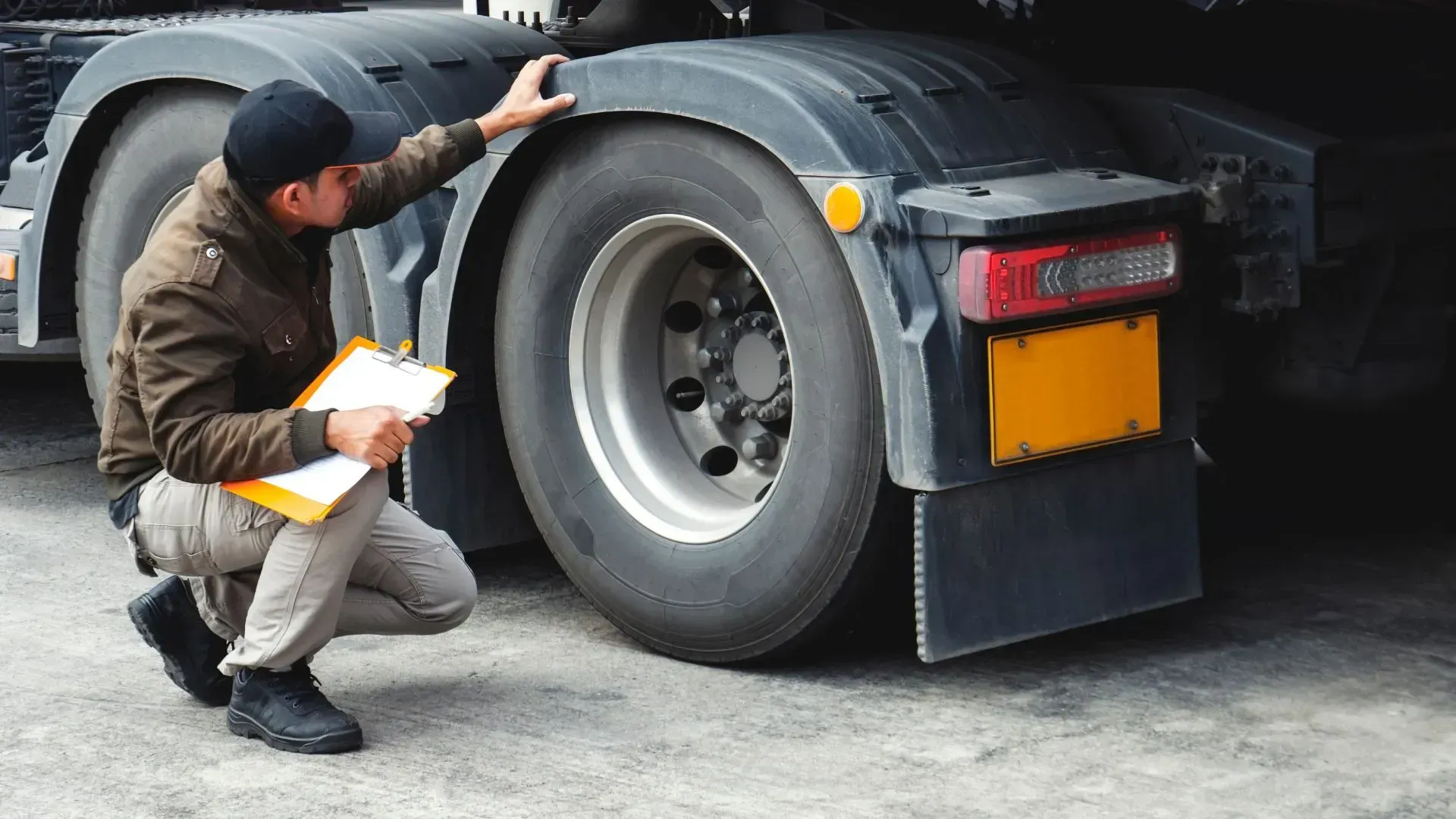
Learn what fleet inspectors should check this fall and how auto inspection stations can help identify safety and maintenance concerns.
By Mr. McBubbertin • August 19, 2026
Summer places strain on commercial truck tires. Hot pavement, long routes, heavy loads, and increased highway traffic can turn a small tire issue into an expensive delay. A proactive approach to semi tire repair helps fleet managers address damage before a truck loses valuable time on the road. Drivers and maintenance teams should pay close attention to tire conditions throughout the season. Catching pressure loss, tread damage, or irregular wear early gives a technician more options and helps keep delivery schedules moving. Why Semi Tire Repair Becomes More Important in Summer Heat affects tire pressure and increases the stress placed on tires during extended trips. As a tire rolls, friction generates additional heat. High outdoor temperatures and sun-heated pavement add to that buildup, particularly when a truck is carrying a heavy load or traveling at highway speeds. Underinflation can cause excessive sidewall flexing, which creates more heat inside the tire. Overinflation may reduce the tire’s ability to absorb road impacts. Both conditions deserve attention during pre-trip inspections. Timely semi tire repair can address certain punctures and other serviceable damage before heat and road use make the problem worse. Check Tires Before the Truck Leaves the Yard A thorough tire inspection should be part of the daily routine during peak summer driving season. Pressure readings should be taken when tires are cold and compared with the vehicle or tire manufacturer’s specifications. Drivers should also examine valve stems, caps, tread surfaces, and sidewalls. Uneven tread wear may point to alignment, suspension, or inflation concerns. Cracks, cuts, exposed cords, bulges, and objects lodged in the tread require professional evaluation. Dual tires also need adequate spacing and matching inflation. When one tire carries more of the load than its partner, both tires may experience unnecessary stress. Maintenance records add useful context. Tracking recurring pressure loss or wear on a particular wheel position can reveal a pattern that a quick visual check might miss. Signs Your Fleet May Need Tire Repair A tire does not need to be flat to require service. Repeated pressure loss is one of the clearest signs of a slow leak. Drivers may also notice vibration, pulling, unusual road noise, or a change in handling. These symptoms can come from several sources, so an inspection should cover the complete wheel and tire assembly. Visible punctures should not be treated as minor simply because the tire still holds air. The location, angle, and size of the injury affect repairability. Continuing to drive can expand internal damage and reduce the chance that semi tire repair remains an appropriate option. When Repair May Be Possible Some tread-area punctures may be repairable after the tire is removed from the wheel and inspected inside and out. A surface plug alone does not allow a technician to examine the inner liner or locate hidden damage caused by running underinflated. Sidewall injuries, exposed cords, large punctures, severe cracking, or damage from extended low-pressure operation may call for replacement. The tire’s age, tread depth, previous repairs, and overall condition also shape the recommendation. Professional semi tire repair starts with a complete assessment, not a quick exterior patch. Removing a tire from service early can also prevent a repairable puncture from becoming a replacement. Drivers should report warning signs promptly and avoid adding air repeatedly without locating the source of the leak. Build Tire Service into Summer Fleet Planning Fleet managers can reduce disruption by scheduling regular tire checks around routes, mileage, and vehicle use. Inspection frequency may need to increase for trucks operating on rough roads, carrying demanding loads, or running long shifts in high temperatures . Keep accurate pressure and service records for every tractor and trailer. Drivers should also know how to report tire concerns and where to obtain qualified service along common routes. A planned semi tire repair appointment is easier to manage than an unexpected tire failure during a time-sensitive delivery. Frequently Asked Questions How quickly should a fleet address a truck tire that keeps losing pressure? A tire with recurring pressure loss should be inspected as soon as practical. Adding air may temporarily restore pressure, but it does not correct the leak. Continued operation can create internal heat and damage that may remove semi tire repair as an option. Can a punctured semi tire be repaired instead of replaced? Some punctures within the tread area may qualify for repair, depending on their size, location, and the tire’s overall condition. A trained technician must remove and inspect the tire to determine if it can return to service. What tire problems are most common during summer fleet operation? Low pressure, tread punctures, irregular wear, heat-related stress, valve leaks, and sidewall damage are common concerns. Frequent inspections help drivers identify these problems before they lead to longer delays or additional vehicle damage. Prepare Your Fleet for Peak Summer Routes Do not let a small tire issue interrupt a busy route. For professional semi tire repair and commercial truck service, Contact KG Truck & Auto to discuss your fleet’s tire needs.
Heavy Duty Truck
By Mr. McBubbertin • July 20, 2026
Learn the most common heavy duty truck problems, warning signs to watch for, and when to schedule service with KG Truck & Auto in Maryland.
Truck Alignment
By Mr. McBubbertin • June 8, 2026
Truck alignment problems can lead to tire wear, steering issues, and DOT inspection concerns. Get truck alignment service in Maryland from KG Truck & Auto.
AC Repair for Heavy Duty Trucks
By Mr. McBubbertin • May 18, 2026
Need ac repair for heavy duty trucks? KG Truck & Auto fixes weak airflow, warm air, and AC system problems across Maryland.
Light Duty Diesel Repair
By Mr. McBubbertin • April 22, 2026
Light duty diesel repair for trucks affected by cold starts and idling. KG Truck & Auto serves Glen Burnie, Baltimore, and Annapolis drivers.
DOT inspection
By Mr. McBubbertin • March 12, 2026
Learn the most common DOT inspection failures for Maryland trucks and how fleet maintenance can help avoid violations and keep your vehicles on the road.
diesel repair
By Mr. McBubbertin • February 25, 2026
Cold weather exposes hidden engine issues. Get professional diesel repair in Maryland from KG Truck & Auto to keep your fleet running this winter.
Heavy Duty Truck Repair
By Mr. McBubbertin • January 20, 2026
January winter failures hit fleets hard. Learn the most common heavy duty truck repair issues and how KG Truck & Auto keeps Maryland trucks moving.
Semi Truck Tire Repair
By Mr. McBubbertin • December 10, 2025
Stay safe this winter with expert semi truck tire repair from KG Truck & Auto. We inspect, repair, and replace tires to keep your fleet ready for icy roads.