How Cold Starts and Heavy Fleet Loads Affect Your Diesel Engine's Oil
Diesel engines are built to handle demanding workloads, but operating conditions can have a major impact on engine performance and longevity. For commercial fleets, two of the biggest factors affecting engine lubrication are cold starts and heavy loads. Both place added stress on engine components and can change how effectively oil protects against wear.
Understanding how these conditions affect diesel engine oil can help fleet operators make better maintenance decisions, reduce unexpected repairs, and keep their vehicles operating efficiently. From choosing the correct oil viscosity to adjusting service intervals, proper lubrication is an important part of managing a reliable commercial fleet.
How Cold Starts Affect Diesel Engine Oil
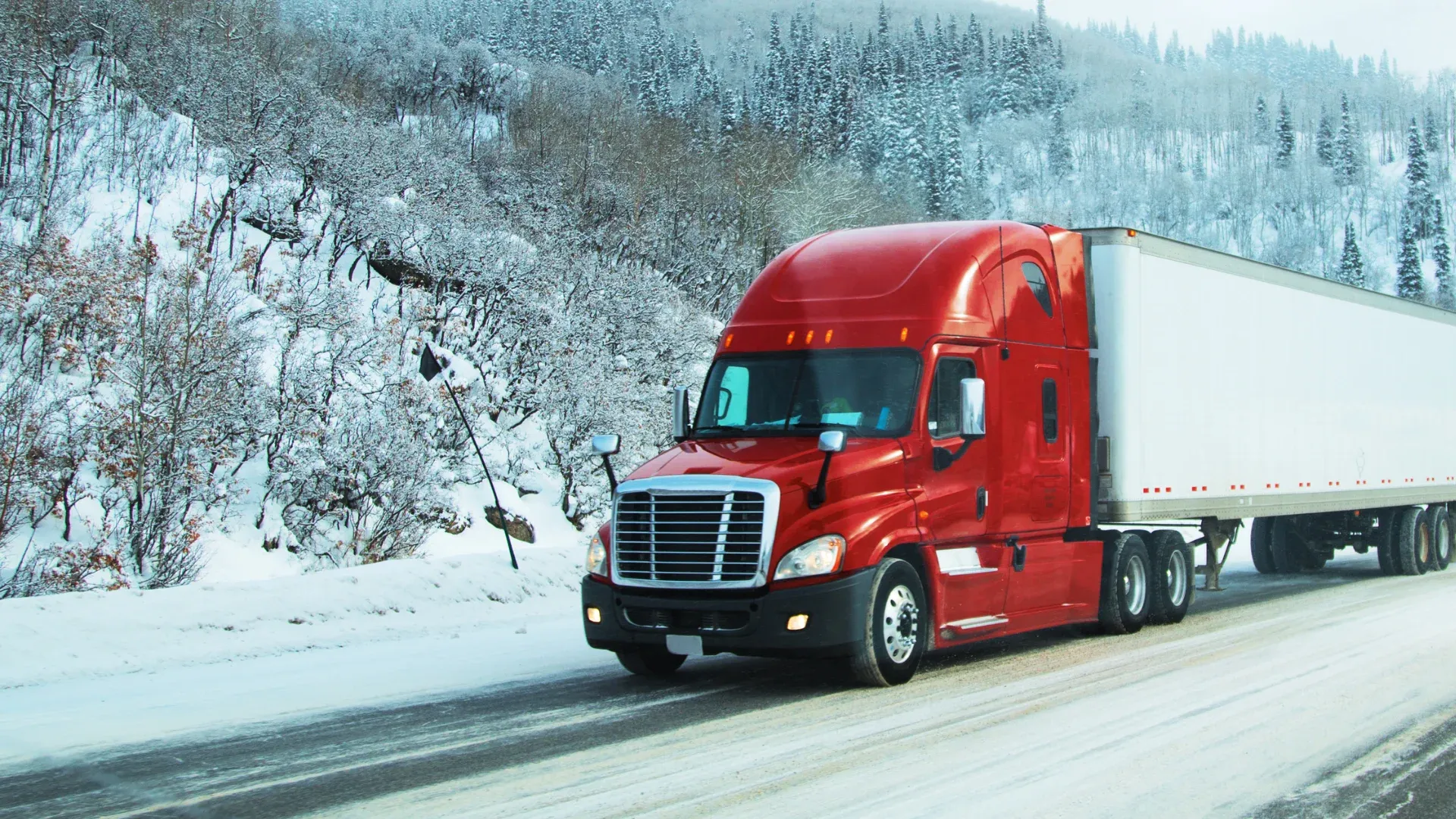
Cold weather changes how engine oil flows through a diesel engine. As temperatures drop, oil becomes thicker and moves more slowly through the lubrication system. This can delay oil delivery to critical components during startup.
When a diesel engine first starts, the oil pump must circulate lubricant through passages to reach bearings, pistons, camshafts, and other moving parts. If the oil is too thick for the conditions, these components may experience increased friction before proper lubrication is established.
Cold starts can create several challenges for commercial vehicles:
- Slower oil circulation: Thickened oil takes longer to reach certain engine components.
- Increased starting resistance: Cold oil creates more resistance, requiring additional effort from the starter and battery.
- Greater potential for wear: Moving components may experience increased metal-to-metal contact during initial operation.
- Delayed operating temperatures: Engines take longer to reach temperatures that support efficient combustion and lubrication.
Using the correct diesel engine oil viscosity helps address these concerns.
Many modern diesel engines use multigrade oils, such as 5W-40 or 10W-30, depending on manufacturer specifications and operating conditions. The appropriate grade should always be selected based on the engine's requirements.
Why Heavy Fleet Loads Increase Engine Oil Stress
Commercial trucks frequently operate under conditions that place significant demands on their engines. Hauling heavy equipment, transporting materials, towing trailers, and operating at high gross vehicle weights all require increased engine output.
Under heavy loads, diesel engines generate more heat and place greater pressure on internal components. Engine oil must maintain a protective film between moving surfaces while helping manage heat and control deposits.
Several factors can affect diesel engine oil during heavy-duty operation.
Higher Operating Temperatures
Heavy loads increase engine heat, particularly during extended highway hauling, steep climbs, and stop-and-go operation. Elevated temperatures can accelerate oil oxidation, which contributes to thickening, sludge formation, and reduced lubricant performance.
Increased Pressure on Engine Components
Crankshaft bearings, connecting rods, and other components experience greater forces during high-load operation. Engine oil must maintain sufficient film strength to separate moving surfaces and limit friction.
Greater Exposure to Contaminants
Diesel engines produce combustion byproducts, including soot, that can enter the oil. Modern oils contain additives that help keep contaminants suspended until they can be removed during an oil change.
Excessive soot accumulation can increase oil viscosity and contribute to abrasive wear.
Choosing the Right Diesel Engine Oil for Commercial Fleets
Selecting diesel engine oil involves more than choosing a familiar brand or viscosity grade. Fleet operators should consider engine manufacturer requirements, operating temperatures, vehicle age, and the type of work each truck performs.
Important considerations include:
- Viscosity grade: Determines how oil flows at different temperatures and maintains lubrication under operating conditions.
- API service classification: Identifies performance standards for diesel engine oils, such as API CK-4. Certain engines may require different specifications.
- Manufacturer approvals: Help confirm that an oil meets the requirements of a particular engine.
- Operating conditions: Cold-weather starts, extended idling, and heavy hauling can influence oil selection and maintenance schedules.
Using an oil that meets the correct specifications is particularly important for modern diesel engines equipped with emissions-control systems.
How Operating Conditions Affect Oil Change Intervals
Oil change intervals are not always the same for every vehicle in a commercial fleet. Two trucks with similar mileage may experience very different levels of engine stress depending on their daily workloads.
For example, a delivery truck making frequent stops and short trips may experience more cold-start cycles than a truck traveling long distances. Short trips can also prevent the engine from reaching temperatures needed to evaporate accumulated moisture and fuel from the oil.
Meanwhile, a truck regularly hauling heavy loads may experience extended periods of high engine temperatures.
These conditions can affect how quickly diesel engine oil deteriorates.
Fleet operators should follow manufacturer-recommended service intervals while accounting for severe-duty operating conditions. Oil analysis can provide additional information about lubricant condition, contamination, and engine wear.
Signs Your Fleet May Need Diesel Engine Oil Service
Identifying lubrication problems early can help prevent more expensive engine repairs.
Common warning signs include:
- Oil pressure warnings or readings outside normal operating ranges
- Unusual engine knocking or increased mechanical noise
- Oil that smells strongly of fuel
- Unexpected increases in oil consumption
- Oil analysis results showing excessive contamination or wear metals
Oil color alone is not a reliable indicator of its condition, especially in diesel engines, where soot can darken fresh oil relatively quickly.
Frequently Asked Questions
Does cold weather mean commercial trucks need a different engine oil?
Not necessarily. Fleet operators should check manufacturer-approved viscosity grades and temperature recommendations. Some engines require lower-viscosity oil for reliable lubrication during extremely cold starts.
Do trucks carrying heavy loads need more frequent oil changes?
Heavy hauling can qualify as severe-duty operation, depending on the manufacturer's guidelines. Trucks operating under these conditions may require shorter service intervals, particularly when combined with extended idling or high operating temperatures.
Can oil analysis help reduce fleet maintenance costs?
Oil analysis can identify contamination, lubricant degradation, and abnormal engine wear. These findings help fleet operators make informed maintenance decisions and identify potential problems before they lead to major repairs.
Keep Your Commercial Fleet Running with KG Truck
Cold starts, heavy loads, and demanding operating schedules can all affect the condition of diesel engine oil. Staying current with oil changes, inspections, and preventive maintenance helps protect critical engine components and reduce avoidable downtime.
KG Truck & Auto provides maintenance and repair services to help commercial fleet operators address engine performance concerns and keep their vehicles ready for demanding work.
Contact KG Truck & Auto to schedule diesel engine maintenance or discuss a preventive service plan for your commercial fleet.
Contact Us
Contact Us