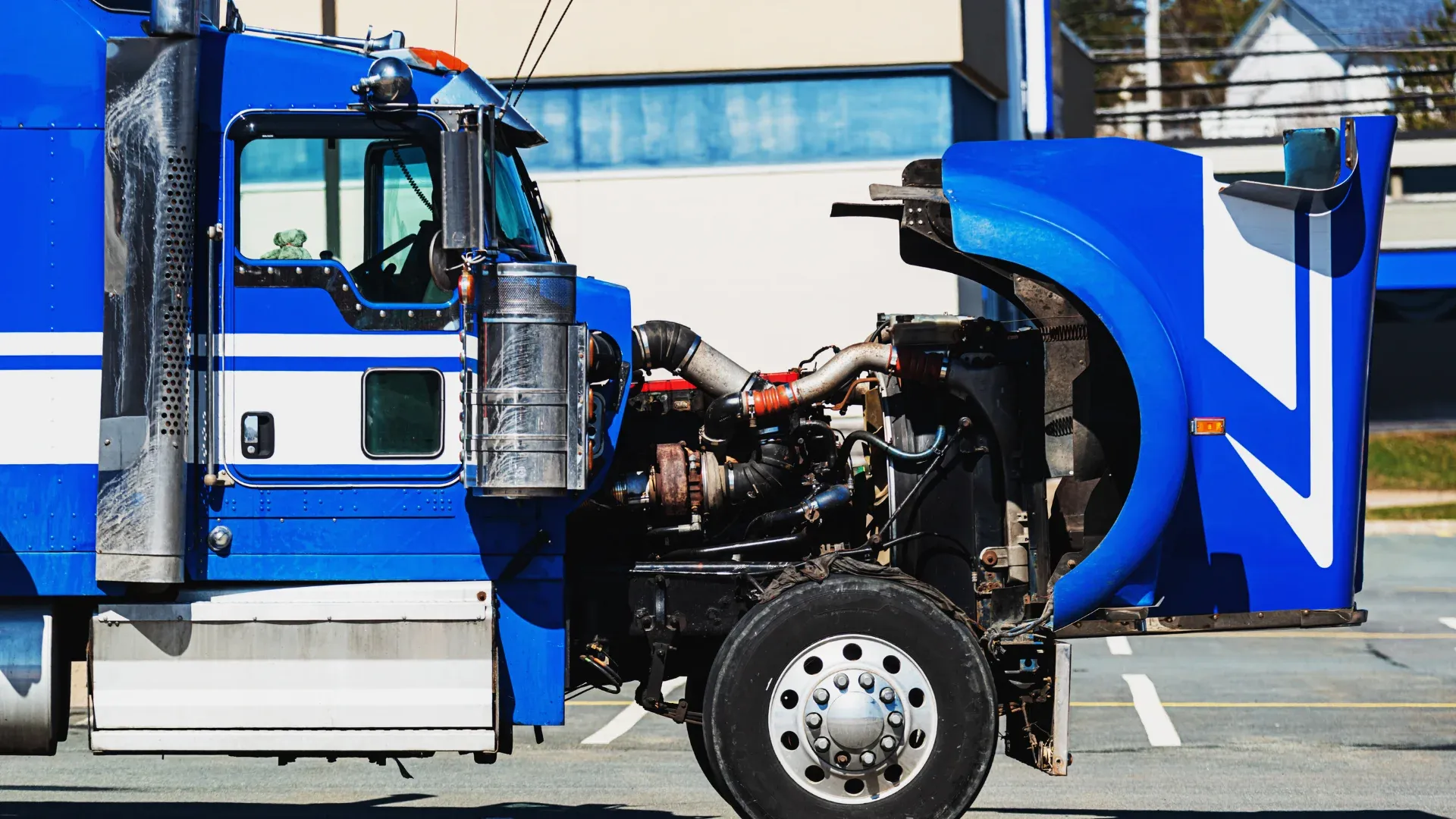
Heavy Duty Truck Maryland State Inspection: What Fleet Operators Need to Know
Operating a heavy duty truck fleet in Maryland means staying on top of regulations, maintenance, and inspections. One of the most critical legal and safety steps is passing the Maryland state inspection. This inspection ensures that every heavy duty truck on the road meets the safety and mechanical standards mandated by the Maryland Department of Transportation (MDOT). Failing to comply can result in costly downtime, legal penalties, and increased risks for drivers and the public.
At KG Truck & Auto, we regularly help commercial operators and fleet managers navigate the complexities of the Maryland state inspection process for heavy duty trucks. Whether you’re managing a small fleet or handling large-scale operations, knowing what’s involved in the inspection and how to prepare will save time and money.
Maryland State Inspections: Serving Fleets Beyond Heavy Duty Trucks
While heavy duty trucks often demand specialized inspection services, Maryland state inspections apply to nearly all vehicle types within a fleet. Whether your operation includes light-duty trucks, service vans, passenger vehicles, or trailers, each unit must pass a Maryland state inspection before it can be legally registered or transferred.
Fleet managers need to ensure that every vehicle, regardless of size or function, complies with the same state-mandated safety checks—including brakes, steering, suspension, tires, and lighting systems. Non-compliance can disrupt operations and lead to fines or downtime.
At KG Truck & Auto, we provide certified Maryland state inspections for full fleets—not just heavy duty trucks. Whether you manage a mixed fleet of commercial vehicles or specialty equipment, we help keep your entire operation compliant and road-ready.
What is a Maryland State Inspection for Heavy Duty Trucks?
The Maryland state inspection is a comprehensive safety and mechanical evaluation required before registering or transferring ownership of most vehicles in the state. For heavy duty trucks—vehicles typically rated at over 10,000 pounds gross vehicle weight—the stakes are higher. These trucks are subject to additional scrutiny due to their size, weight, and operational hazards.
The MDOT Motor Vehicle Administration (MVA) authorizes approximately 1,600 inspection stations across Maryland, but not all of them handle heavy duty trucks. Only certified stations with the proper equipment and ASE-certified technicians are qualified to inspect these larger vehicles.
The inspection covers critical safety systems, including braking, steering, lighting, suspension, tires, emissions, and more. The primary goal is to prevent mechanical failures that could cause severe accidents. Heavy duty trucks passing inspection are issued a certificate valid for 90 days.
When is a Maryland State Inspection Required?
A Maryland state inspection for heavy duty trucks is required in specific scenarios:
- Before registering a used truck purchased in Maryland.
- Before transferring ownership of a truck.
- When bringing a truck into Maryland from out of state.
- After certain repairs if a previously failed truck is being re-inspected.
Timing matters. Fleet operators should plan ahead to avoid compliance issues or downtime caused by a lapsed inspection certificate.
Why Maryland State Inspection is Critical for Heavy Duty Trucks
Heavy duty trucks present unique safety concerns on Maryland roads due to their size, braking distance, and load-bearing demands. The Maryland state inspection exists to reduce risk and ensure trucks operate safely.
Compliance with State Regulations
Maryland law mandates that commercial and non-commercial heavy duty trucks pass inspection before legal registration. Non-compliance can result in fines, impounded vehicles, and lost contracts. For businesses relying on timely deliveries, this can quickly escalate into significant operational setbacks.
Minimizing Accident Risk
Truck malfunctions are dangerous. Brake failures, worn tires, or faulty lighting systems can result in crashes that put drivers and other motorists at risk. By passing the Maryland state inspection, fleet operators reduce the likelihood of mechanical failures on highways and job sites.
Safeguarding Business Reputation
Clients expect fleet operators to maintain their vehicles to the highest safety standards. A failed inspection leading to roadside breakdowns or accidents reflects poorly on the company’s brand and reliability. Passing inspections consistently helps protect business credibility.
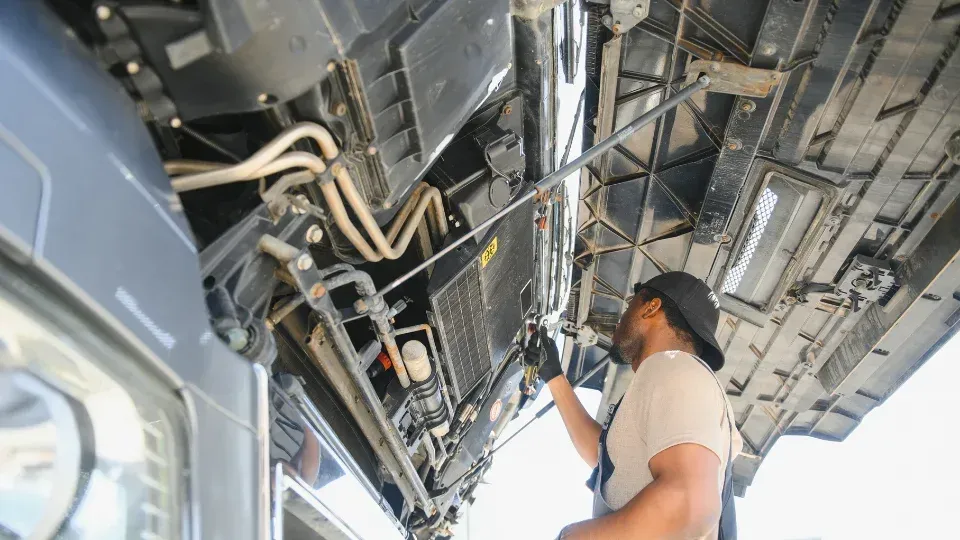
What Does a Heavy Duty Truck Inspection Include?
The Maryland state inspection for heavy duty trucks is extensive. Inspectors evaluate every critical system to ensure compliance with state and federal regulations.
Brake Systems
The braking system is among the most scrutinized components. Inspectors check brake linings, drums, rotors, hydraulic systems, air brakes (for applicable vehicles), parking brakes, and other related components. Brake failure is a leading cause of heavy duty truck accidents, which is why MDOT places emphasis on this system.
Tires and Wheels
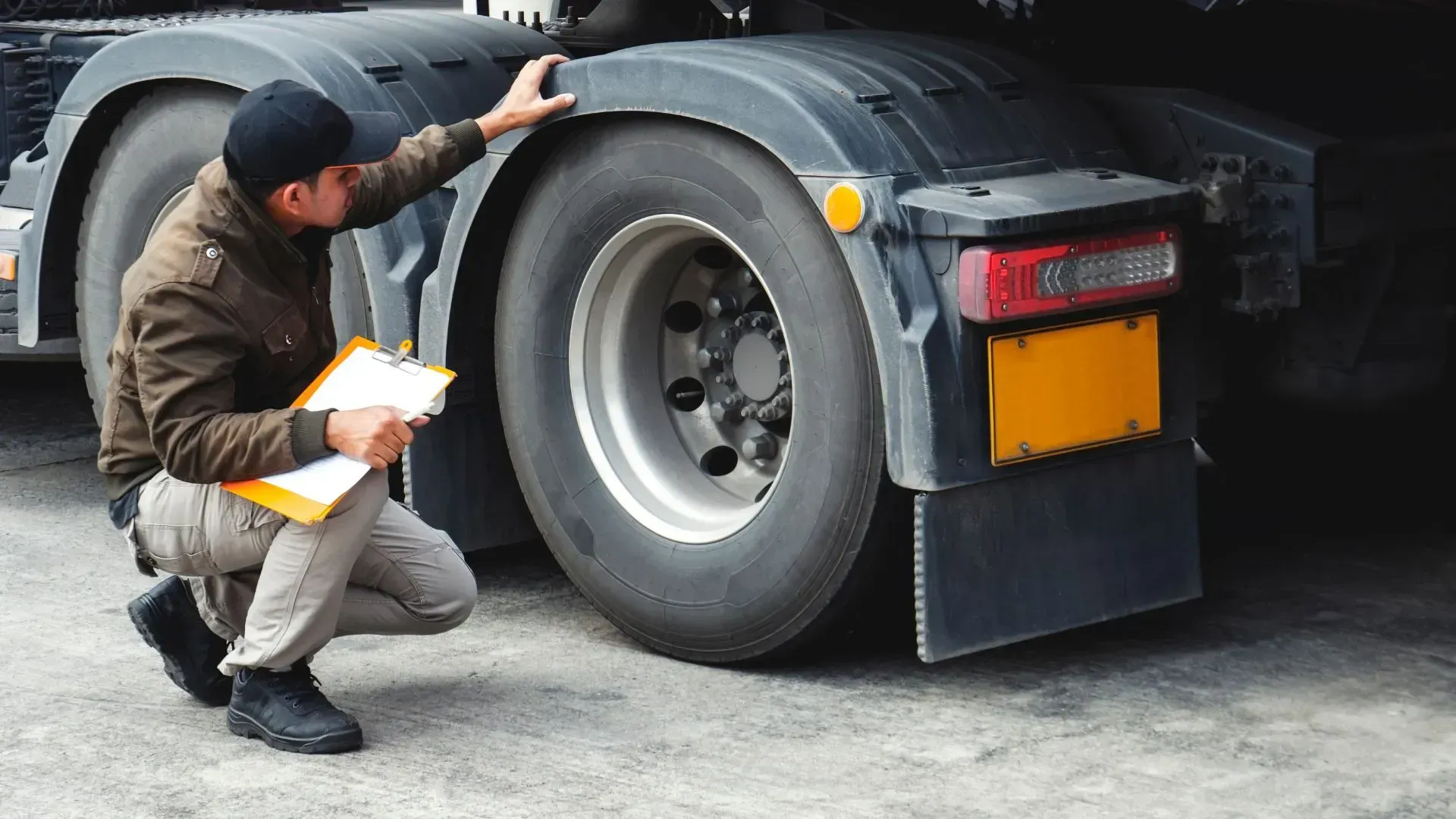
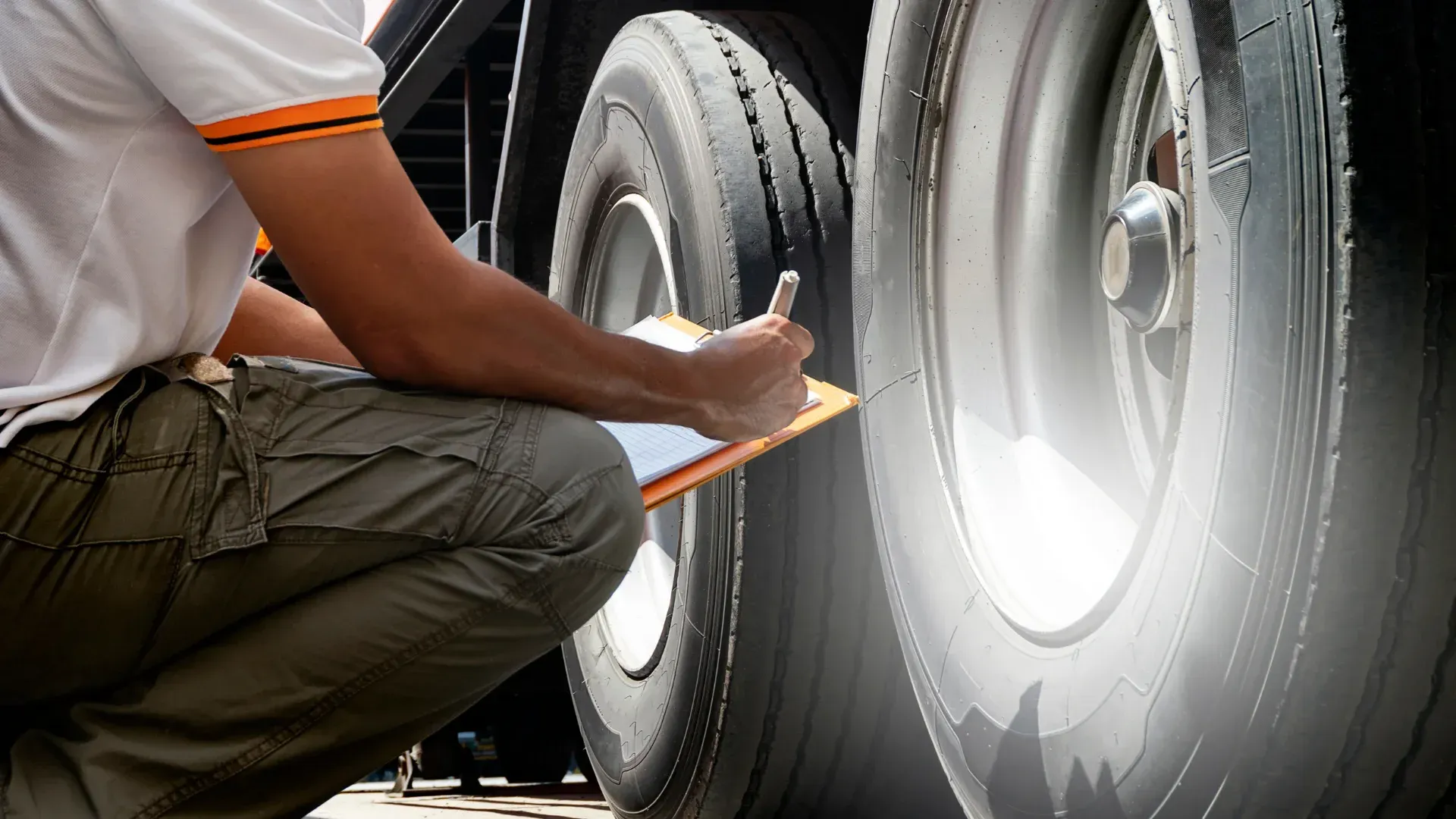
Tires must meet minimum tread depth requirements, show no signs of sidewall damage, and have even wear patterns. Wheels are checked for cracks, missing fasteners, or any structural issues that could compromise load handling. A heavy duty truck’s tires and wheels directly affect traction and stability, especially in adverse weather.
Suspension and Steering
Inspectors examine steering linkages, ball joints, kingpins, shock absorbers, leaf springs, and bushings. Heavy duty trucks carrying large loads rely on a stable suspension and responsive steering to maintain control. Any looseness or damage to these systems will result in inspection failure.
Lights and Electrical Systems
Working lights are critical for visibility and communication on the road. The inspection checks headlights, brake lights, turn signals, hazard lights, marker lights, and reflectors. Additionally, inspectors assess the truck’s wiring for damage or improper splicing that could cause electrical failures.
Emissions
Maryland also enforces emissions standards on heavy duty trucks, focusing on reducing pollutants like NOx and particulate matter. Depending on the vehicle’s engine type, inspectors may check the exhaust system, EGR valves, and ensure that emission control components are functional.
What Happens If a Truck Fails Inspection?
Failure isn’t uncommon, especially for older heavy duty trucks or vehicles with deferred maintenance. If a truck fails, the inspection report will detail which components did not meet Maryland’s standards.
The vehicle owner has 30 days or 1,000 miles to make necessary repairs and return for a re-inspection. If repairs take longer, the truck must undergo a full re-inspection.
Failing to resolve the issues can result in costly fines and jeopardize fleet operations. Fleet managers should address all identified problems promptly to avoid disruptions.
Preparing Your Heavy Duty Truck for Maryland State Inspection
Most trucks don’t need extensive prep, but a few basics can help avoid delays. Before your Maryland state inspection, check for obvious issues—worn brakes, bald tires, broken lights, or leaks. Make sure regular maintenance is up to date and fix anything you know isn’t roadworthy. That’s it. Simple checks upfront save time and keep your truck moving.
How to Schedule a Maryland State Inspection for Heavy Duty Trucks
Not all inspection stations are equipped to handle heavy duty trucks, so it’s important to choose a certified facility that understands commercial vehicles. At KG Truck & Auto, our Glen Burnie location is fully licensed and outfitted with heavy-duty service bays and advanced diagnostic tools.
For fleet managers and operators, scheduling your Maryland state inspection with us means faster turnaround, less downtime, and peace of mind knowing your trucks meet state requirements. Contact our team today to book your inspection and keep your fleet compliant and safe.
Contact Us
Contact Us